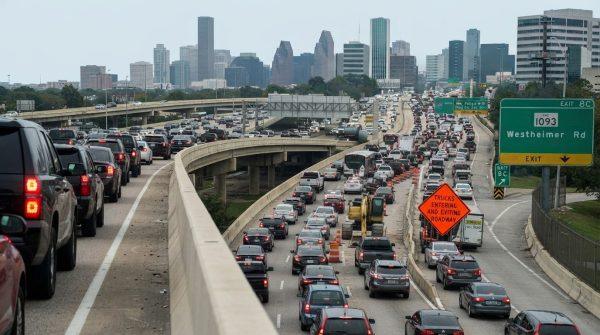
Texas drivers know the pain of sitting in gridlock on I-35 or the Katy Freeway, but relief might come from an unexpected direction: a brand-new interstate stretching all the way to Georgia. A recent study from the Transportation Construction Coalition makes the case that a multi-state corridor could untangle some of the worst bottlenecks in the South, while also opening up economic opportunities for rural communities that have long been left off the main highway map.
The idea isn't new. Federal lawmakers first flagged this route as a high-priority corridor in the 2021 surface transportation bill, thanks to a bipartisan push from Senators Raphael Warnock and Ted Cruz. But the new analysis, released Monday, digs into the specifics: how the interstate would shorten commutes, streamline freight movement, and connect military bases, ports, and small towns that currently lack direct east-west links.
A 1,300-mile vision, with just 25 miles built
Here's the reality check: the full route would span roughly 1,300 miles across several states, but only about 25 miles have been completed in Texas so far. That's a drop in the bucket for a project of this scale, and it underscores the need for sustained federal investment. Without long-term funding certainty, state departments of transportation can't commit to the kind of multi-year construction schedules required.
The study points to Talbot County, Georgia, as a prime example of the potential impact. There, poverty rates hover around 22%, and residents face average commutes of nearly 43 minutes—a heavy burden for a rural area. Better highway access, researchers argue, could cut those travel times and attract new businesses, creating jobs in places that have seen little economic growth in decades.
Georgia hasn't built a brand-new highway since the 1960s, so this would be a historic undertaking. But it's also a costly one, and not everyone is convinced it's the best use of public money. A 2024 report from the Georgia Department of Transportation, cited by Capitol Beat, concluded that the project might not offer a favorable return on investment compared to other road improvements. That's a significant hurdle, especially as Congress faces a December 11, 2026 deadline to reauthorize surface transportation funding.
What's at stake for Texas and the region
For Texas, the interstate could be a game-changer for freight movement. The state's ports and highways are already stretched thin, and a new east-west corridor would give truckers an alternative to congested routes like I-10 and I-20. It would also connect isolated communities in East Texas and Louisiana that have long been bypassed by major highways.
But the benefits aren't automatic. As the study notes, the corridor's success depends on careful planning and coordination across state lines. Engineering standards, environmental safeguards, and local zoning all need to align, which is easier said than done when you're dealing with multiple state governments and a patchwork of federal regulations.
There's also the question of who pays. States can't shoulder this kind of financial burden alone, and the federal government's commitment is far from guaranteed. The Transportation Construction Coalition stresses that long-term federal support is essential to move the project beyond the conceptual phase. Without it, the interstate could remain a pipe dream for years to come.
For now, the study adds another layer to the ongoing debate about how to fix America's infrastructure. It's a reminder that big projects take time, money, and political will—and that the benefits, while potentially transformative, aren't always immediate or evenly distributed.
As Texas and other states weigh their options, the proposed interstate offers a glimpse of what could be: a faster, safer, and more connected South. But whether that vision becomes reality depends on decisions made in Washington and state capitals over the next few years.