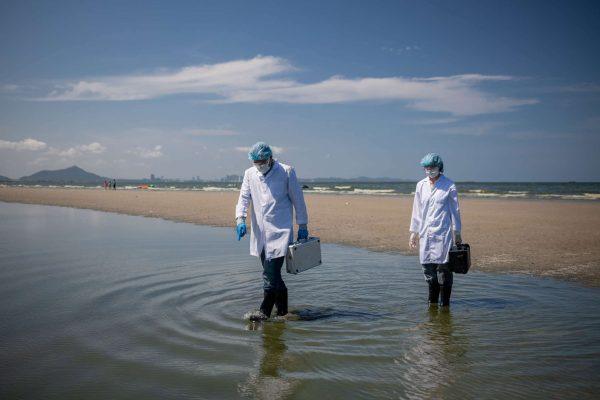
An intense red tide has settled along the Texas coast, turning waters a rusty hue and prompting health alerts for beachgoers from Galveston to the Bolivar Peninsula. The bloom, caused by the microscopic alga Karenia brevis, releases brevetoxins into the air and water, creating a respiratory hazard for anyone who gets too close.
According to the National Oceanic and Atmospheric Administration, the current bloom is particularly dense, and officials are advising people to avoid swimming or even lingering near the shore in affected areas. The toxins can cause coughing, sneezing, and watery eyes, and for those with asthma or other respiratory conditions, the effects can be more severe.
What is driving the red tide?
Red tides are a natural phenomenon, but their frequency and intensity have been linked to warmer ocean temperatures. This year's bloom has been especially stubborn, with satellite images showing large patches of discolored water moving along the Gulf Coast. While red tides are more common in late summer and early fall, climate change is making them more unpredictable and longer-lasting.
For residents of the Texas coast, the red tide is a familiar but unwelcome visitor. Many remember the devastating blooms of the past that left beaches littered with dead fish and sent people to the hospital with breathing difficulties. This time, the alert level is moderate to high in several popular spots, including Galveston County and the Bolivar Peninsula.
Health risks and safety tips
The main concern is the airborne toxin. When waves break, they release brevetoxins into the air, which can be inhaled. Symptoms include:
- Eye and throat irritation
- Coughing and wheezing
- Shortness of breath
- Asthma attacks in sensitive individuals
Health officials recommend that people with respiratory conditions avoid the beach entirely during the bloom. Even healthy individuals should limit their exposure, especially on windy days when the toxins are more easily aerosolized. If you do visit the coast, keep a safe distance from the water and heed local warnings.
The red tide also affects marine life, killing fish and other organisms, which can lead to unpleasant odors and further health concerns. Local authorities are monitoring the situation and may close beaches if conditions worsen.
For those planning a trip to the Texas coast, it's wise to check the latest reports before heading out. The Saharan dust that often blankets the region can also aggravate allergies, so combining that with red tide toxins could be a double whammy for sensitive individuals.
While the red tide is a natural occurrence, its impact on communities is real. For many Latino families, the beach is a place of gathering and celebration, especially during Fiestas Patrias when many head to the coast for the long weekend. But this year, health officials are urging caution.
“We understand the desire to enjoy the water, but your health and safety come first,” said a spokesperson for the Galveston County Health District. “Please respect the closures and stay informed.”
The red tide is expected to persist for several more days, and officials are keeping a close eye on the bloom's movement. In the meantime, residents are advised to stay indoors if they live near the coast and experience respiratory symptoms.
For those who must be outdoors, wearing a mask can help filter out some of the toxins. And if you have a health plan that covers respiratory care, it's a good time to review your benefits.
As the climate continues to warm, red tides may become more frequent. For now, the best defense is awareness and preparation. Stay tuned to local news and heed the warnings—your lungs will thank you.