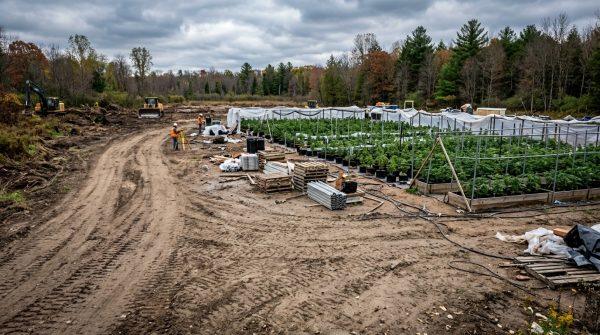
In a case that underscores the environmental stakes of the cannabis industry's expansion, a Michigan-based cannabis operation has been found liable for destroying protected wetlands despite years of warnings from state regulators. The ruling, handed down by the 30th Circuit Court, could result in fines of up to $10,000 per day per violation, along with a court-ordered restoration of the damaged land.
The company at the center of the case is Bliss Corporate, Inc., which operates as Bliss Cannabis and Bliss Farms in Sherman Township, Iosco County. State investigators from the Michigan Department of Environment, Great Lakes, and Energy (EGLE) documented that the company cleared trees, dredged, drained, and filled wetlands to expand its cannabis farm facilities. The illegal activity began in the fall of 2022 and continued despite repeated violation notices and face-to-face meetings with corporate representatives.
Years of warnings ignored
The trouble started when the Sherman Township supervisor filed a formal complaint in December 2022, alerting state authorities to the ongoing destruction. EGLE issued multiple violation notices, and officials met with company managers between 2022 and 2024, but the construction continued unabated. According to the Michigan Attorney General's office, the company's actions violated Part 303 of the Michigan Natural Resources and Environmental Protection Act, which protects wetlands and other sensitive ecosystems.
In August 2025, state prosecutors filed a civil lawsuit against Bliss Corporate, Inc. and co-defendant 3227 S. National Road, LLC. The court's summary judgment on September 23, 2026, established clear legal liability, finding that the company showed deliberate disregard for environmental laws over four years of administrative communications.
Environmental damage and its consequences
The environmental impact is significant. The illegal dredging altered natural drainage systems and destroyed wildlife habitats, while the clearing of native forest cover across 15.9 acres (about 65,000 square meters) accelerated soil erosion and compromised natural water filtration. These are not just local concerns; they affect the broader ecosystem of the Great Lakes region, which is home to a rich diversity of species and provides critical water resources.
State officials are seeking a permanent injunction to prevent future violations, along with maximum daily civil penalties. The final remedies hearing is scheduled for November 24, 2026, when the judge will determine the exact financial penalties and corrective mandates. The state has made clear that it will not tolerate businesses operating illegally on protected lands, regardless of the industry.
This case serves as a cautionary tale for cannabis operators across the country, especially as the industry continues to grow. It also highlights the importance of environmental compliance, a topic that resonates with many Latino communities who have deep ties to the land and a history of environmental stewardship. From the farmlands of México to the wetlands of the Midwest, the message is clear: economic development must not come at the expense of our natural heritage.
For those following the intersection of cannabis and environmental law, this Michigan case is one to watch. It may set a precedent for how states enforce wetland protections against commercial operations. As the industry matures, responsible practices will be key to its long-term sustainability.
In the meantime, the legal battle continues. The court's upcoming decision on penalties will send a strong signal about the consequences of ignoring environmental regulations. For now, Bliss Cannabis faces a costly reckoning that could reshape how it does business.