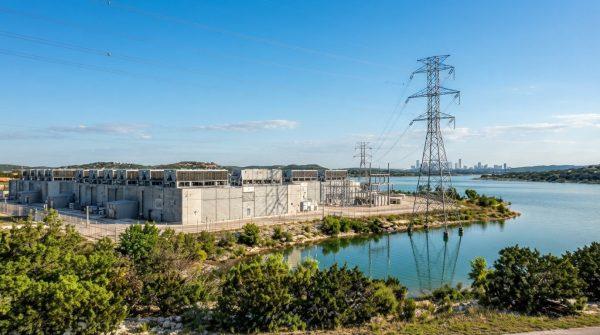
Texas has hit the pause button on new data center permits, a move that could reshape the state's booming tech industry and its impact on your monthly utility bills. Governor Greg Abbott's administration has suspended approvals for large computing facilities while regulators take a hard look at the power grid and water supplies. The goal: keep residential costs from spiraling as artificial intelligence and cloud computing demand more energy than ever.
For communities from El Paso to the Panhandle, this is about more than just data. It's about whether the next big tech campus will leave enough water and electricity for everyone else. State leaders are listening to those worries, and they're acting on them.
A closer look at the pause
The suspension, announced by Governor Abbott, halts new permits for large data centers while the Electric Reliability Council of Texas (ERCOT) and other agencies review grid capacity and water availability. In July, the state introduced the "Batch Zero" verification framework to handle heavy energy loads more carefully. This is meant to filter out speculative projects and ensure that only serious, well-planned developments move forward.
Developers are feeling the shift. Projects in cities like Abilene and El Paso, some worth billions, are now in limbo. According to data from Infralogic, investors are watching closely, and some are exploring off-grid power solutions or battery-backed connections to keep their plans alive. But the uncertainty is real, and it's changing how companies approach Texas.
"This is a necessary step to protect consumers," says a spokesperson for the Public Utility Commission of Texas. "We need to make sure that growth doesn't come at the expense of everyday Texans."
Water and power: the real costs
The concern isn't just about electricity. Data centers use massive amounts of water for cooling, and that's putting pressure on local rivers and groundwater. Governor Abbott has also ordered the Texas Commission on Environmental Quality to halt environmental permits for digital assets until audits are complete. This closes loopholes that previously let some facilities operate outside standard utility rules.
State agencies are working with the Texas Water Development Board to monitor water use closely. The goal is to keep enough supply for homes and farms while allowing responsible development. For residents, this means fewer surprises on their water bills and less risk of shortages during hot summer months.
"We're not against data centers," says a community leader in the Rio Grande Valley. "We just want to make sure our kids have water to drink and our lights stay on."
Economic ripple effects
The pause is also affecting the economy. Local chambers of commerce are watching job numbers as billions in investment sit on hold. The U.S. Small Business Administration reports that prolonged delays could influence where companies decide to build next. Some may look to other states, but many still see Texas as a prime location—if the resources can support it.
Environmental groups are praising the move as a win for conservation. They argue that careful review will prevent overuse of natural resources and protect against blackouts. "This is about balance," says a representative from a Texas environmental coalition. "We can have growth, but it has to be sustainable."
For homeowners, the news brings some relief. The state's recent ban on price optimization, which was a win for Texas homeowners, showed that leaders are willing to step in when costs get out of hand. Now, with data centers on hold, there's hope that utility bills won't spike as quickly.
Still, the future is uncertain. Regulators are expected to release their findings in mid-October, and pending projects will need to meet strict criteria before moving forward. Legal experts advise developers to prepare thorough documentation and work closely with state auditors.
For now, Texans can breathe a little easier knowing that their leaders are taking a hard look at what data centers really cost. It's a delicate balance, but one that could set a precedent for how other states handle the AI boom.
As the state navigates this new terrain, residents are watching closely. The decisions made in the coming months will shape not just the tech industry, but the everyday lives of millions of Texans.