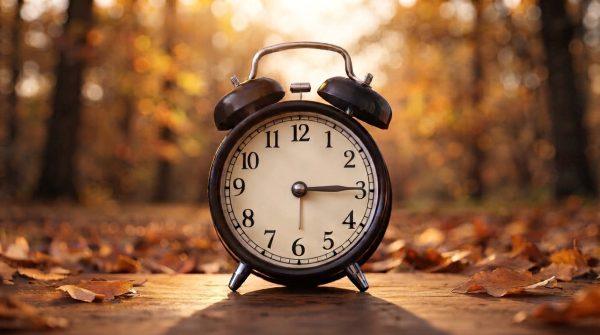
As autumn settles in across the Lone Star State, millions of Texans are preparing to turn their clocks back one hour. The seasonal ritual, which many have come to question, will take place on Sunday, November 1, 2026, at 2:00 a.m. local time. That's when daylight saving time officially ends and standard time returns, meaning sunrise and sunset will arrive earlier, and evenings will feel noticeably shorter.
For cities like Houston, Dallas, Austin, San Antonio, and El Paso, the change is more than just a matter of adjusting a wristwatch. Public transit schedules, school start times, and even the timing of community events all shift with the clock. And while most smartphones and computers update automatically, many household appliances—microwaves, ovens, and old-school alarm clocks—still need a manual nudge.
The legislative tug-of-war over permanent daylight time
Texas lawmakers have been trying to end the twice-a-year time change for years. In 2025, the state legislature passed House Bill 1393, which would keep Texas on daylight saving time year-round. But that law can't take effect until the U.S. Congress gives states the green light to do so. Under current federal law, states can opt out of daylight saving time entirely (as Hawaii and most of Arizona have done), but they cannot extend it permanently without congressional approval.
On the federal level, the Sunshine Protection Act has been introduced multiple times. In July 2026, the U.S. House of Representatives passed a version of the bill with 308 votes in favor, a strong bipartisan showing. However, the measure still needs to clear the Senate and be signed into law before it becomes reality. Until then, the current system remains in place.
This legislative limbo has real consequences for Texans. As one state representative noted, "We're stuck in a holding pattern. The people have spoken, but Washington hasn't moved fast enough." Until the law changes, residents must continue to adjust their clocks twice a year.
Regional quirks: Central and Mountain time zones
Texas is big enough to span two time zones. Most of the state, including Houston, Dallas, and Austin, operates on Central Time. But the far western corner, including El Paso and Hudspeth County, follows Mountain Time. That means when clocks fall back, El Paso residents will do so one hour behind the rest of the state—a quirk that can complicate cross-state business calls and travel plans.
Municipal officials in both zones emphasize the importance of synchronization. "We coordinate with our counterparts in El Paso to make sure that bus schedules and emergency services are aligned," said a spokesperson for the Dallas Area Rapid Transit. "It's a small detail, but it matters."
Health experts also weigh in on the impact. Dr. María González, a sleep specialist in San Antonio, notes that the fall transition is generally easier than the spring one. "We gain an hour, so most people adjust within a few days," she says. "But it's still a shift in your circadian rhythm. A little extra sunlight in the morning can help."
What to check when you change your clocks
While your phone and computer will update on their own, other devices may not. Here's a quick checklist to avoid being late or missing an alarm:
- Wall clocks and analog timepieces
- Digital alarm clocks and bedside radios
- Car clocks and infotainment systems
- Microwave ovens and other kitchen appliances
- Security system keypads and programmable thermostats
Taking a few minutes to update these devices can prevent confusion, especially for families with early school drop-offs or shift workers who rely on precise timing.
What's next for Texas and the nation?
If the Sunshine Protection Act eventually becomes law, Texas would join a growing list of states that want to make daylight saving time permanent. Proponents argue that longer evening daylight boosts retail sales, reduces energy use, and improves public safety. Critics, however, point to darker winter mornings, which could affect school children and early commuters.
For now, the debate continues. As the November 1 change approaches, Texans can expect the usual reminders from local news and community groups. But the bigger question—whether this is the last time we fall back—remains unanswered.
In the meantime, if you're looking for ways to enjoy the extra hour of sleep, or want to plan your weekend around the time change, you might also check out how Latin communities celebrate long weekends. And for those concerned about the upcoming winter weather, El Niño's impact on Texas winters is worth a read.
As always, the time change is a reminder that time is both a constant and a construct. For now, set your clocks back, enjoy the extra hour, and stay tuned for what Congress decides next.