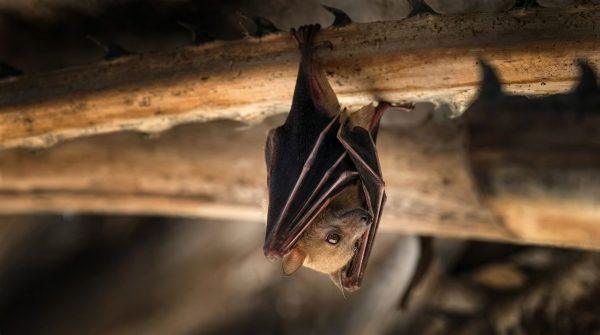
It started with a disoriented bat in a La Cañada Flintridge backyard last January, a small sign of what would become an unprecedented public health challenge. By mid-October, the Los Angeles County Department of Public Health had logged 77 confirmed rabid bat cases, the highest number ever recorded in the county. The outbreak has spread across neighborhoods from Burbank to Woodland Hills, prompting emergency wildlife surveillance and a renewed push for community awareness.
Record numbers and regional hotspots
The surge has been dramatic. After the first case in Burbank, infections climbed through spring and summer, with the Santa Clarita Valley emerging as the epicenter. In August alone, labs processed 24 positive cases in 30 days, and by late September, 32% of all bats submitted for testing carried the virus. Health officials note that 68% of the first 69 positive animals came from the Santa Clarita Valley, where canyon bats roost near residential areas.
This concentration isn't just a matter of bat behavior—it's also a reflection of better reporting. "Community members have been vigilant about calling in grounded or disoriented bats," said a county health spokesperson. "That helps us track the virus, but it also means areas with zero reported cases could still have silent transmission."
A rare raccoon case and the bigger picture
On October 5, animal control officers captured a sick raccoon in Westlake Village, marking the first confirmed rabies in a raccoon in the county since 1973. The raccoon likely contracted the virus from bats, and its appearance triggered a quarantine for a vaccinated domestic dog and monitoring for four site workers. The last non-bat rabies case in the county was a skunk in Long Beach in 2014.
This incident underscores a broader trend: rabies is on the rise in local wildlife, and bats are the primary carriers. The virus spreads through saliva entering open wounds or mucous membranes, and because bat bites can be nearly invisible, any potential exposure—especially while sleeping—requires immediate medical consultation.
What you can do to protect your family
Health officials are clear: never handle a grounded or sick bat. If you find one on your property, isolate the area and call Los Angeles County Animal Care and Control. Trained staff will safely capture the animal for testing. At the same time, make sure your pets are up to date on rabies vaccinations—they're your first line of defense between wildlife and your home.
For residents, the message is simple but critical. "If you wake up and find a bat in the room, don't wait," said Dr. Elena Ramirez, an infectious disease specialist. "Post-exposure prophylaxis is highly effective if given before symptoms appear."
This outbreak is a reminder that urban and wild spaces increasingly overlap. As Los Angeles continues to grow, so does our contact with wildlife. Staying informed and taking simple precautions can keep your family safe. For more on how the city is handling other public health and safety challenges, check out our coverage of record heat waves and utility bills and brush fire containment efforts.
While the numbers are alarming, they also reflect a community that's paying attention. By reporting sightings, vaccinating pets, and avoiding contact, Angelenos can help turn the tide on this record-breaking outbreak.