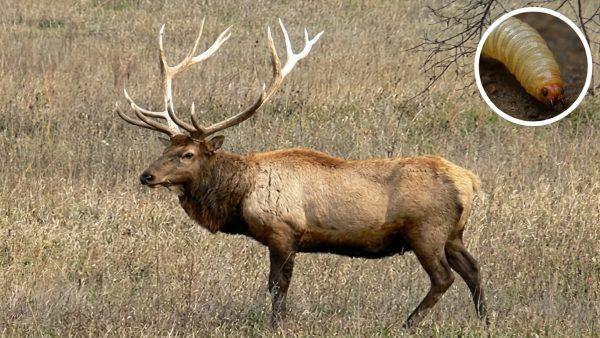
Wildlife officials in Texas are on high alert after a female elk on a Pecos County ranch tested positive for New World screwworm, a flesh-eating parasite that can be fatal to animals. The U.S. Department of Agriculture's Animal and Plant Health Inspection Service (APHIS) confirmed the lab results on October 21, marking the first known infestation in a wild animal in the country. The elk was reported by a hunter during hunting season, according to Reuters.
The discovery has prompted the Texas Animal Health Commission to adjust its containment zone and ramp up field operations alongside the Texas Parks and Wildlife Department. Screwworm larvae hatch from eggs laid by flies in open wounds or natural body openings, then feed on living tissue. Unlike common maggots that only consume dead flesh, these larvae cause severe infections and can kill an animal without rapid treatment.
What this means for ranchers and hunters
State health officials are urging hunters, landowners, and agricultural workers to inspect harvested game for lesions around the eyes, ears, nose, mouth, and genital areas. They also advise watching for non-healing wounds, foul-smelling discharge, loss of appetite, depression, or isolation in livestock. The USDA notes that screwworm can affect cattle, horses, sheep, goats, pets, and in rare cases, humans.
The Texas Animal Health Commission stresses that prompt reporting of any suspicious wounds is the best defense for ranchers. Early detection allows for treatment before larvae spread to other animals or herds. Hunters and ranchers are being asked to cooperate closely with state agencies to keep the parasite from gaining a foothold in wild populations.
Meanwhile, the New Mexico Department of Agriculture confirmed a separate case on the same day—a beef cow in Otero County. Federal teams have established a 20-kilometer sanitary quarantine perimeter, with mandatory animal inspections and fly traps. Epidemiologists say there is no direct link between the two cases, given the different species and locations.
Background of the outbreak
The current outbreak began on June 3, when APHIS identified screwworm larvae in a three-week-old calf in Zavala County, Texas. That case ended decades of pest-free status in the U.S., which had been maintained through sterile fly release programs. Since then, the parasite has been detected in livestock across several states, prompting a coordinated federal response.
In response to the outbreak, federal authorities have begun a controlled reopening of border crossings for Mexican livestock. The port of entry in Columbus, New Mexico, reopened for cattle on October 26, and the Santa Teresa port for horses and equines, under strict sanitary protocols enforced by U.S. Customs and Border Protection. These measures include physical inspections of all animals crossing the border.
For Latino communities across the borderlands, this issue hits close to home. Many families depend on livestock for their livelihoods, and the movement of animals between Mexico and the U.S. is a long-standing tradition. The reopening of these ports is a careful balancing act between economic needs and biosecurity.
Officials are also reminding the public that screwworm is not a threat to humans in most cases, but vigilance is key. The USDA has published guidelines for recognizing and reporting infestations, and state agencies are working to educate hunters and ranchers.
As the situation evolves, the cooperation between hunters, ranchers, and state agencies will be crucial. Early detection and rapid treatment are the most effective tools to prevent the parasite from spreading further. For now, the message is clear: if you see a wound that isn't healing, report it.
For more on how Texas is handling other border-related challenges, see Texas's recent permit pause and innovative water solutions for data centers.