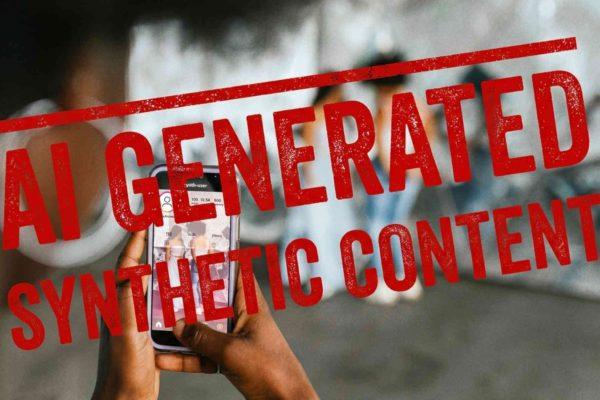
If you've scrolled through Instagram lately, you've probably noticed something off: hyper-realistic avatars delivering stand-up routines, cooking tutorials, or even political commentary with unsettling precision. These aren't your average influencers—they're AI-generated deepfakes, and they're flooding the platform at a pace that even the company's top brass admits is hard to control.
In a candid moment, Instagram CEO Adam Mosseri acknowledged that the platform is facing a "tsunami" of synthetic content that is increasingly difficult to distinguish from real human creativity. The admission came after several U.S.-based comedians exposed AI avatars that were copying their stand-up sets word-for-word, racking up millions of views and redirecting ad revenue to third-party sites. For Latino creators—whether they're making music in México, comedy in Los Ángeles, or beauty tutorials in Bogotá—this isn't just a nuisance; it's a direct hit to their livelihood.
The rise of 'slop content' and its toll on creators
This phenomenon, often dubbed "slop content," refers to the endless stream of AI-generated videos designed to game the algorithm for clicks and engagement, without offering any real value. The problem is so pervasive that Instagram's recommendation engine often ends up promoting these synthetic posts over original work, simply because they're optimized for virality. For small and emerging creators, especially those from underrepresented communities, this is a devastating blow. Many rely on Instagram not just for exposure, but for actual income—brand deals, sponsored posts, and direct support from followers.
Take, for example, a young Chicana comedian in San Antonio who spends hours crafting jokes about her family's border-town experiences. An AI avatar can replicate her style, her cadence, even her punchlines, and push them to a wider audience in minutes. The original creator gets nothing—no credit, no revenue, and often no way to prove the work is hers. This isn't just a hypothetical; it's happening across the platform, and it's disproportionately affecting creators who don't have the legal or financial resources to fight back.
Mosseri's comments highlight a broader industry dilemma: banning AI outright isn't practical, and policing every fake post is nearly impossible. Instead, the company is exploring technical solutions, such as cryptographic digital signatures that would certify content captured by real cameras. The C2PA standard, which embeds metadata about a photo or video's origin, is one such tool being considered. This would allow users to see if a post was genuinely shot by a human or generated by an algorithm, much like a digital watermark for authenticity.
But for many Latino creators, the issue goes beyond just verification. It's about preserving cultural authenticity in a digital space that often flattens nuance. As Rosalía once said, "La cultura no se puede copiar," and that sentiment resonates deeply here. When AI mimics a reggaetón beat or a telenovela trope, it risks stripping away the lived experience and context that make those cultural expressions meaningful.
Instagram's move toward transparency is a step in the right direction, but it's not a silver bullet. The platform must also rethink how its algorithms reward content, ensuring that original creators—especially those from Latin America and the diaspora—aren't pushed aside by synthetic lookalikes. As the digital economy grows, the challenge isn't to eliminate generative technology, but to ensure it doesn't erase the human talent that gives platforms like Instagram their cultural richness.
For now, the advice for creators is to stay vigilant, document your work, and build direct relationships with your audience. And for users, it's worth pausing before you double-tap: is that video real, or is it just another piece of slop? The answer might not always be clear, but the stakes for our creative communities have never been higher.