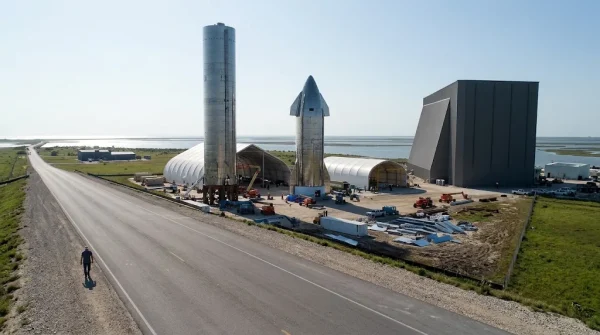
SpaceX is doubling down on Texas with a massive $24 billion energy project designed to keep its Starbase launch site and data centers humming. The company, led by Elon Musk, is building its own power infrastructure to avoid relying on the local grid, a move that signals a new era of corporate energy independence.
Starbase expansion takes shape
The project will occupy a 444-acre parcel east of Brownsville, within the city of Starbase, which was incorporated in 2025. Hundreds of SpaceX employees and their families live there, and the city commission is set to review a development agreement and tax abatement package on December 9, 2026. If approved, the deal would solidify the company's commitment to the region.
SpaceX is also recruiting natural gas traders in both Starbase and Cape Canaveral to manage fuel supplies directly. This vertical integration ensures a steady flow of supercooled methane for rocket launches and the massive computing power needed for data processing.
Beyond rockets: powering data centers and more
The energy project isn't just about launches. SpaceX plans to build another power facility in Grimes County to support a semiconductor manufacturing site it operates with Tesla Inc. near Houston. This diversification shows how the company is expanding its footprint across Texas, from aerospace to tech manufacturing.
In September, SpaceX proposed a pipeline in Florida to transport fuel directly to its launch sites there, according to Investing.com. This national energy network would support continuous space missions and advanced computing complexes, reducing dependence on third-party suppliers.
What this means for the region
For the Rio Grande Valley, this investment is a game-changer. Starbase has transformed from a remote coastal area into a hub of innovation, bringing jobs and infrastructure. The tax abatement deal is a key incentive, and local officials are weighing the long-term benefits against the immediate costs.
However, not everyone is on board. Some residents have raised concerns about environmental impacts and the pace of development. The city commission's decision will be closely watched, as it could set a precedent for future corporate partnerships in the region.
SpaceX's move is part of a broader trend of tech giants building their own power sources. As data center growth faces regulatory hurdles, companies like SpaceX are taking matters into their own hands. This project could become a model for others looking to bypass grid limitations.
For now, all eyes are on Starbase. The December meeting will be a pivotal moment, not just for SpaceX, but for the community that has grown around it. As the company pushes forward, the region's identity is shifting from a quiet borderland to a launchpad for the future.