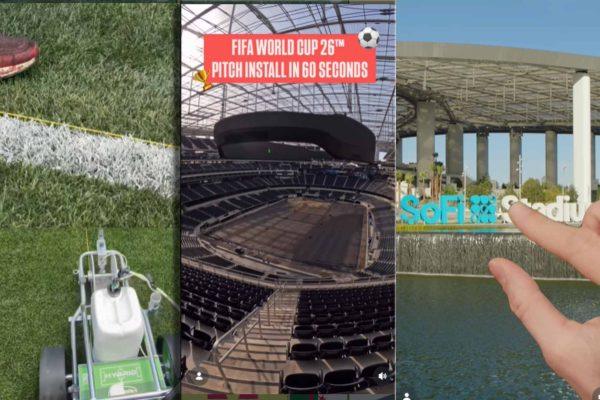
With just 48 hours until the U.S. Men's National Team kicks off its World Cup campaign against Paraguay, a major labor crisis at SoFi Stadium has been averted. The UNITE HERE Local 11 union and venue operator Legends Global reached a last-minute agreement that grants a historic 40% wage increase to more than 2,000 concessions workers, including cashiers, cooks, dishwashers, and bartenders.
The deal, finalized just before the tournament's opening match under coach Mauricio Pochettino, eliminates the threat of a strike that could have disrupted hospitality operations at one of the 2026 World Cup's flagship venues. The agreement also introduces a pioneering civil protection clause that allows workers to walk off their stations if the presence of federal immigration agents, such as ICE, creates a reasonable fear for their safety.
A Landmark Contract for Workers and FIFA
The contract guarantees immediate wage increases and premium pay for designated "mega events," including all World Cup matches. This ensures that the workforce is compensated fairly during high-revenue fixtures. Additionally, the deal shields workers from FIFA's traditionally invasive identity and background accreditation protocols, a significant win for the diverse local workforce.
"This agreement sets a new standard for how stadium workers are treated during global events," said a union representative. "Our members can now focus on delivering world-class service without fear of wage theft or immigration enforcement."
The timing of the resolution provides massive operational relief for FIFA, as SoFi Stadium is scheduled to host eight high-revenue matches. Beyond the US-Paraguay opener on June 12, the venue will feature Iran vs. New Zealand, Belgium vs. Iran, and the US vs. Turkey on June 25, along with Round of 32 and Quarterfinal knockout dates.
This development comes amid broader labor movements in the hospitality industry. In New York, hotel workers recently secured a historic wage hike, while bilingual workers in NY and NJ are set to lead a World Cup 2026 hiring surge. The SoFi Stadium deal also echoes the momentum seen in other sectors, such as renters gaining leverage in the U.S. apartment market.
The civil protection clause is particularly notable given the heightened federal security presence expected at World Cup venues. It directly addresses the anxieties of a workforce that includes many Latino and immigrant workers, who may fear interactions with law enforcement. This clause is a direct administrative shield against the massive counter-terrorism and security grids that will guard the stadiums.
Union members are set to ratify the contract this Wednesday, clearing the way for SoFi Stadium to service millions of international fans without disruption. The agreement also avoids a repeat of the labor tensions that had been building, as SoFi Stadium workers had previously voted on a strike ahead of the World Cup opening match.
For the Latino community, this victory is a testament to the power of collective bargaining. It ensures that the workers who make these events possible are treated with dignity and respect, setting a precedent for future tournaments. As the World Cup approaches, this deal stands as a reminder that fair labor practices are essential for the success of global sporting events.