As the countdown to the 2026 FIFA World Cup picks up speed, New York and New Jersey are bracing for an economic jolt that will reshape the local job market. Organizers estimate the tournament will generate more than 26,000 direct and indirect positions across the metropolitan area, and bilingual workers—especially those fluent in Spanish and English—are positioned to take the lead.
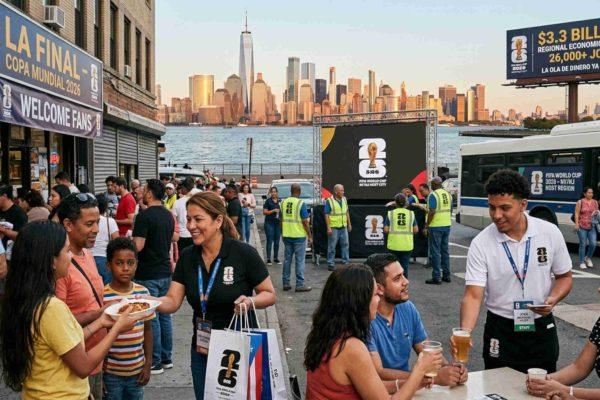
The economic impact is staggering: over $3.3 billion is expected to flow into the region, with $1.3 billion going directly into wages. For Latino communities in places like Newark, Jersey City, Queens, and the Bronx, this isn't just a sports event—it's a once-in-a-generation opportunity to secure stable, well-paying jobs.
Why Bilingual Talent Is the MVP
Hospitality is the first sector to open its doors wide. Hotels near MetLife Stadium and throughout Manhattan are urgently hiring front-desk staff, housekeepers, and managers who can switch between English and Spanish seamlessly. Restaurants and bars—from the taquerías of Sunset Park to the steakhouses of Midtown—are looking for servers and bartenders who can make international visitors feel at home.
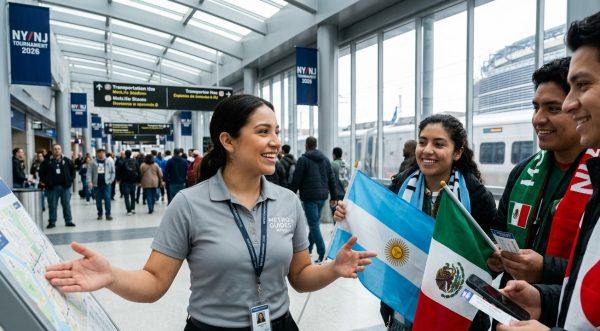
Transit hubs are also scrambling for extra hands. Airports like Newark Liberty and JFK, along with major train stations, need customer service agents, baggage handlers, and logistics coordinators. The ability to communicate in two languages is no longer a bonus—it's a requirement. As one hiring manager at a Newark hotel told us, “Translation apps can’t replicate the warmth of a real conversation.”
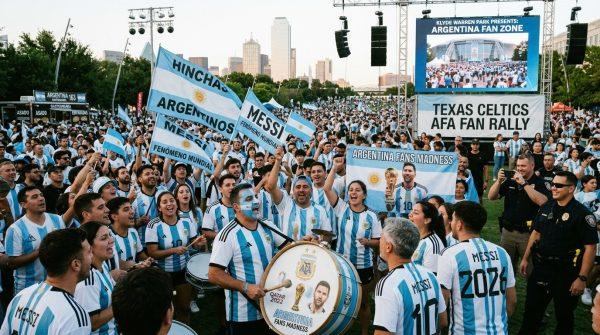
Event security and stadium access management are another major hiring front. Thousands of roles—from ticket scanners to crowd control—are opening up, and recruiters are consistently ranking bilingual candidates at the top of their lists. The goal is to eliminate language barriers entirely, ensuring that fans from Buenos Aires, Mexico City, and San Juan feel as welcome as locals from Hoboken.
What This Means for Latino Workers
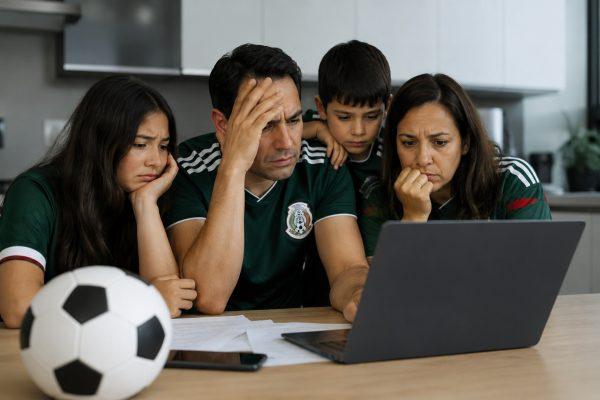
For many in the tri-state area, this hiring wave arrives at a crucial time. The cost of living continues to climb, and job security remains a concern. The World Cup offers a chance to earn competitive wages in sectors that often undervalue bilingual skills. Small businesses, in particular, are paying premium rates to secure neighborhood talent that can connect with a global audience.
This trend mirrors a broader shift in the regional economy. As we reported in our coverage of the AI boom, blue-collar and bilingual skills are becoming increasingly valuable. The World Cup is accelerating that demand, especially for workers who can navigate both English and Spanish with ease.
Meanwhile, labor movements are gaining momentum. Workers at SoFi Stadium recently voted on a strike ahead of the tournament, highlighting the push for fair wages and conditions. In New York, hotel workers recently secured a historic wage hike—a sign that the labor landscape is shifting in favor of employees.
How to Get Ready
Job listings are already live on official FIFA and local employment portals. Experts recommend updating your resume to highlight all language skills clearly, and applying early. The competition will be fierce, but for bilingual workers, the advantage is clear.
This isn't just about filling seats at MetLife Stadium. It's about building a lasting economic legacy for the communities that make this region vibrant. For Latinos in New York and New Jersey, the World Cup 2026 isn't just a tournament—it's a chance to step into the spotlight and claim a share of the prosperity.