For the first time in years, tenants across the United States are finding themselves in the driver's seat. A historic wave of apartment construction has flooded major metropolitan areas with new units, forcing landlords to sweeten the deal with concessions that were unthinkable just a couple of years ago. From waived application fees to free months of rent, the rental market is undergoing a significant shift that puts negotiating power back in the hands of those looking for a place to live.
Why the Market Has Changed
The root of this change is simple: supply has caught up with demand. Data from real estate firms like Zillow show that the national vacancy rate now hovers around 7.3%, a level not seen in decades. In cities like Austin, Texas, and across the Sun Belt, the number of move-in-ready apartments has surged as developers complete projects that were started during the pandemic-era building boom. This surplus means property managers are competing fiercely for a limited pool of renters, and they're using incentives to stand out.
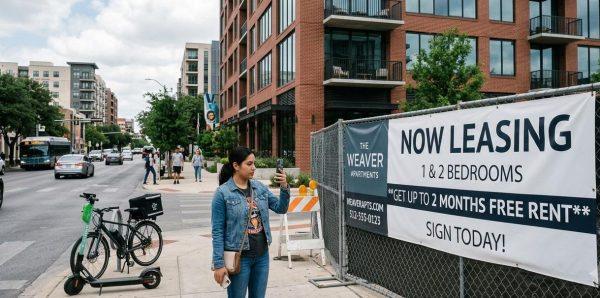
Nearly 40% of rental properties nationwide now offer some form of direct economic benefit, according to industry statistics. The most common incentive is a free month of rent, but many complexes are also eliminating pet deposits and application fees. In particularly saturated markets, some landlords are offering up to two months of free rent to secure long-term leases before the peak moving season ends. This trend is especially pronounced in cities like Austin, where the apartment glut has created a renter's market that shows no signs of cooling.
What This Means for Latino Renters
For Latino communities, many of whom have faced rising housing costs and displacement pressures in cities like Los Angeles, Miami, and Chicago, this shift offers a rare moment of relief. In California, where the median home price has hit a record $914,000, working-class Latino families have been pushed to the margins. But the current rental market correction could provide breathing room for those looking to lease in urban centers. As California's housing market hits record highs, the apartment surplus elsewhere offers an alternative for those willing to relocate.
In the Sun Belt, cities like Houston and Dallas have seen a boom in apartment construction, drawing renters from more expensive coastal markets. The Texas apartment market is booming, and with it comes a wave of concessions that benefit tenants. For Latino renters, many of whom work in service industries that were hit hard by the pandemic, these incentives can make a significant difference in monthly budgets.
How to Take Advantage
Experts advise tenants to do their homework before signing a lease. Rental market trends vary widely between urban centers and their peripheries, so it's important to research specific zip codes. Studying local listings can reveal which buildings are struggling to fill units and are more likely to offer concessions. Before renewing a lease, gather evidence of current offers in the neighborhood and present them to the building manager as a negotiating tool. Landlords would rather offer a discount than face the cost of a vacant apartment, which can run into thousands of dollars per month.
This period of stability is not guaranteed to last. Builders have already begun to decrease permits for new developments due to rising interest rates, which could slow the flow of new units in the coming years. The current inventory is expected to be absorbed gradually, so the window for negotiating favorable terms may close. For now, though, tenants have an opportunity to lock in better conditions. As the great housing reset continues to unfold, staying informed is the key to optimizing your housing budget.
Whether you're a first-time renter in Chicago or a family looking to move to the suburbs of Dallas, the message is clear: the power dynamic has shifted. Use it wisely.