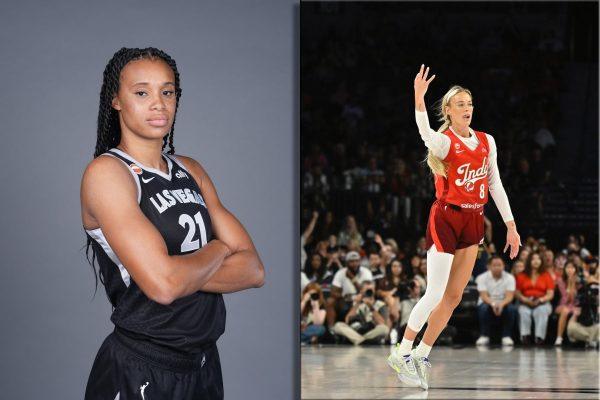
The Indiana Fever has released two official statements addressing recent controversies involving former and current players. On Wednesday evening, Las Vegas Aces forward Brianna Turner, who played for the Fever during the 2025 WNBA season, took to social media to allege that a male staff member was terminated last year for sexual harassment. Turner claimed that players were encouraged to keep the matter internal, sparking a broader conversation about workplace accountability in the league.
In response, the Fever issued a statement to media outlets emphasizing that maintaining a safe, respectful, and professional work environment is their highest priority. The franchise noted that all workplace concerns are thoroughly investigated, but organizational policy prohibits public commentary on personal matters involving former employees. The statement did not confirm or deny Turner's specific allegations but underscored the team's commitment to handling such issues internally.
Transgender Athlete Debate Intensifies
Turner's social media thread also touched on her advocacy for transgender athletes, an issue she has supported throughout her career. Her posts coincided with an ESPN feature involving Fever guard Sophie Cunningham, who discussed her views on protecting female athletes in sports and locker room settings. Cunningham's remarks quickly circulated online, drawing both support and criticism.
When asked to clarify her perspective before a game against the Connecticut Sun, Cunningham reaffirmed her stance, stating that her views stem from personal convictions regarding the protection of women's athletics and the historic importance of Title IX. She emphasized that her comments were not directed against the transgender community, saying she respects all individuals while advocating for biological female sports protections. The debate echoes broader discussions across the Americas, where Venezuelan journalist Manuel Gutiérrez has similarly navigated complex identity issues in sports media.
As Cunningham's comments gained traction, the Fever shared a secondary statement with reporters during their game against Connecticut. The organization noted that its roster consists of thoughtful adults with diverse individual viewpoints that belong solely to the players. The franchise concluded by reiterating its commitment to welcoming fans from all backgrounds and maintaining a respectful environment across all organizational operations.
This incident is not the first time Cunningham has been at the center of a media storm. Earlier this season, her chili crop top and the Fever's historic win in Las Vegas made headlines, showcasing her ability to blend personal style with athletic achievement. More recently, Coach Stephanie White denounced toxic online agendas targeting WNBA players, highlighting the league's ongoing struggle with digital harassment.
The WNBA has increasingly become a platform for social and political discourse, reflecting the diverse backgrounds of its players. For Latino fans, these conversations resonate deeply, as issues of identity, inclusion, and protection of women's sports intersect with cultural values across the diaspora. The Fever's measured response underscores the delicate balance between individual expression and organizational responsibility in a league that prides itself on progressive values.
As the season progresses, all eyes will be on how the Fever and the WNBA navigate these complex conversations. For now, the franchise has made it clear that while player opinions are respected, the priority remains a safe and inclusive environment for everyone involved.