Every September, the pulse of Mexican culture beats strongly across the United States, from the barrios of East Los Angeles to the bustling streets of Chicago. But for those wondering whether September 16 brings a day off work or school, the answer is clear: it is not a federal holiday in the U.S. Banks, government offices, and most businesses operate as usual, and the school calendar remains unchanged.
This year, September 16 falls on a Wednesday, and millions of Mexican Americans and other Latinos will balance their daily routines with the deep desire to honor the Grito de Dolores, the call that sparked Mexico's fight for independence in 1810. While in Mexico the date is a national holiday with banks and schools closed, crossing the border changes the administrative reality. Yet the lack of an official U.S. holiday does little to dampen the enthusiasm of a community that carries its heritage with pride.
Festivities flourish despite the workday
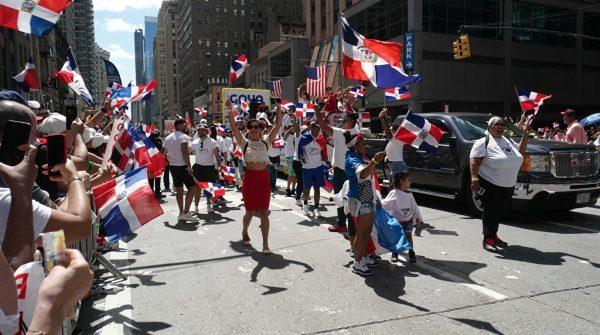
In cities like Houston, Chicago, and Los Angeles, the streets come alive with color and sound. Parades, concerts, and reenactments of El Grito fill public spaces, drawing crowds of all backgrounds. For example, East LA's parade on Whittier Boulevard has been a tradition for eight decades, a testament to the enduring spirit of the community. Similarly, Chicago's El Grito Festival in Grant Park offers two days of music, dance, and family-friendly activities, turning the city into a vibrant hub of Mexican culture.
These events are not just about celebration; they are acts of cultural preservation. Mariachi bands, folkloric dancers, and traditional cuisine remind younger generations of their roots, while also inviting neighbors of all backgrounds to share in the richness of Mexican heritage. Local governments and community organizations often sponsor these gatherings, recognizing their importance in fostering inclusivity and understanding.
Still, for many, the day is a balancing act. Parents may take a few hours off work to attend a school event or a midday parade, while others wait until the evening to join the festivities. Employers, especially in areas with large Latino populations, sometimes show flexibility, but there is no legal obligation to do so.
Understanding the calendar: culture vs. official recognition
The distinction between cultural significance and official holiday status is crucial for planning. While September 16 holds immense emotional weight for Mexican families, it does not appear on the U.S. federal holiday list. This means that for most people, it is a regular workday, and any celebrations must be scheduled around professional and academic commitments.
For those who wish to participate in community events, checking local listings is key. Many cities host weekend-long celebrations, allowing families to honor the date without missing work or school. For instance, the 80th anniversary of the East LA parade was a milestone that drew thousands, showcasing the resilience of a community that has kept its traditions alive for generations.
It's also worth noting that the celebration extends beyond September 16. Throughout the month, cultural institutions, libraries, and community centers offer exhibitions, lectures, and film screenings that explore Mexican history and its influence on American society. These events provide opportunities for deeper engagement, even for those who cannot take the day off.
For Mexican citizens living in the U.S., the date also serves as a reminder of their connection to their homeland. While they may not get a day off, they can still participate in the cultural life of their communities. And for those planning to travel to Mexico for the holiday, it's important to remember the $10,000 cash declaration rule when carrying funds across the border.
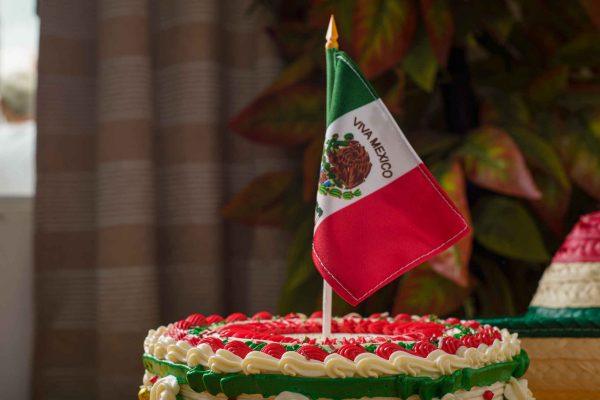
In the end, the celebration of Mexican Independence Day in the U.S. is a testament to the power of cultural identity. It shows that even without official recognition, a community can come together to honor its history and share it with the world. As the sun sets on September 16, the sounds of mariachi and the cries of “¡Viva México!” will echo in parks and plazas, proving that the spirit of independence knows no borders.