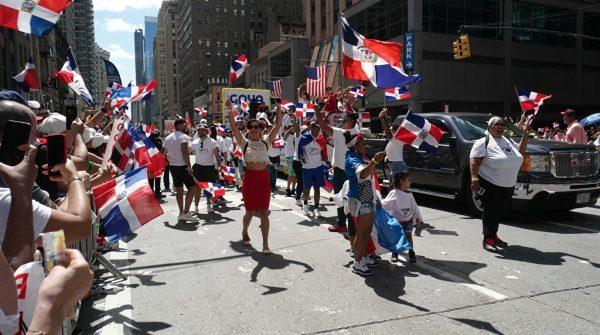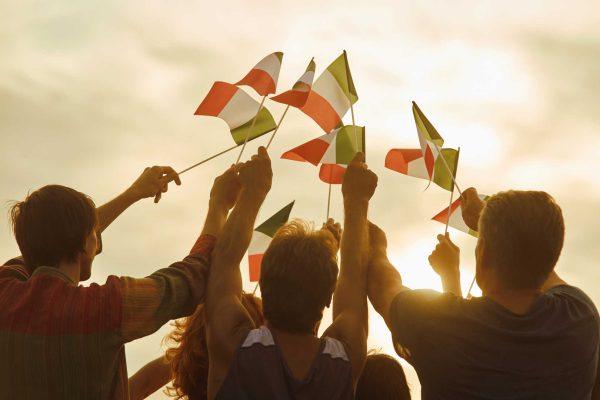
On a sun-drenched Sunday, East Los Angeles transformed into a sea of green, white, and red as the 80th Mexican Independence Parade made its way down Cesar Chavez Boulevard. The air pulsed with brass band melodies, the clip-clop of charro horses, and the joyful shouts of families who came to honor their roots—and to make a statement: no amount of uncertainty can dim the pride of this community.
This year's parade carried extra weight. Recent immigration enforcement actions and deportations have cast a shadow over many neighborhoods. Yet the response from the crowd was defiantly festive. Thousands lined the route, waving flags and cheering as floats rolled by, each one a testament to the deep ties between México and the City of Angels.
More Than a Parade: A Declaration of Belonging
For many attendees, the parade was a chance to reclaim the narrative. "We are here, we are part of this city, and we are not going anywhere," said María Hernández, a lifelong Angeleno whose parents emigrated from Jalisco. Her sentiment echoed across the boulevard, where families from Boyle Heights, Pico-Union, and beyond gathered to share tacos, tejate, and stories of their own migration journeys.
The parade's grand marshals included Los Angeles County Supervisor Hilda Solís and Latin Grammy-nominated singer El Dasa, who performed from a float and worked the crowd with the energy of a hometown hero. Solís, a longtime champion of immigrant rights, reminded the audience that the Mexican community is the backbone of LA's economy and culture. "Our labor, our art, our families—they are the true heart of this city," she said.
Consul General of Mexico in Los Angeles, Carlos González Gutiérrez, also addressed the crowd, emphasizing that the Mexican community represents the strongest bond between the two nations—stronger than any trade agreement or political alliance. He praised the parade as a living expression of that connection.
Mayor Karen Bass and Councilwoman Nithya Raman were among the local officials who marched, reiterating their commitment to protecting all residents regardless of immigration status. Their presence underscored the parade's role as a political as well as cultural statement.
Musical acts like Nuestro Nivel kept the energy high, performing regional classics that had people dancing in the streets. The band's set was a reminder of how music travels across borders, carrying the sounds of Sinaloa and Durango into the heart of LA.
The parade also featured contingents from various Mexican states, each showcasing their unique folkloric dances and traditional attire. From the vibrant skirts of Veracruz to the intricate embroidery of Oaxaca, the diversity of México was on full display—a powerful counterpoint to the idea of a monolithic "Latino" identity.
For younger generations, the parade is a bridge to their parents' homeland. "I was born here, but my abuela's stories are part of me," said 19-year-old Diego Ramírez, who marched with a group from the Mexican state of Michoacán. "This parade lets me honor that heritage."
Organizers noted that this year's turnout was among the largest in the parade's history, a sign that the community is more determined than ever to be seen and heard. As the last float disappeared down the boulevard, the message was clear: the Mexican community in Los Angeles is not just surviving—it is thriving, with pride and joy as its greatest weapons.
For those who missed the festivities, similar celebrations are happening across the country. Chicago's El Grito festival offers another chance to experience the richness of Mexican culture. And for a deeper dive into the history of this iconic parade, check out this look back at 80 years of heritage.
As the sun set over East LA, the echoes of the parade lingered—a reminder that cultural identity is not just preserved, but actively lived and shared. In a city that is home to millions of Mexican immigrants and their descendants, the parade is more than an annual event; it is a declaration of belonging.