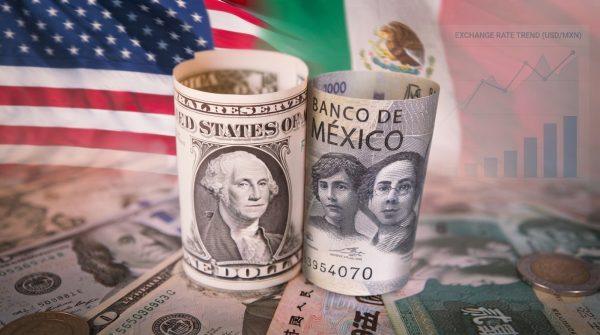
If you're planning a trip from México to the United States, you might be wondering how much cash you can carry in your pocket or suitcase. The short answer: there's no limit on the amount of Mexican pesos or any other foreign currency you can bring. But there's a catch—if the total value exceeds $10,000, you must declare it to U.S. Customs and Border Protection (CBP).
Many travelers assume that the $10,000 threshold is a cap, but it's actually a reporting requirement. You can carry more, but you need to fill out FinCEN Form 105 (Report of International Transportation of Currency or Monetary Instruments). This form is free to file and doesn't mean you'll pay taxes or duties on your money—it's simply a way for the U.S. government to track large cash movements across its borders.
How the $10,000 rule works
The rule applies to the total value of all monetary instruments you're carrying, not just the bills in your wallet. That includes:
- Cash (U.S. dollars, Mexican pesos, or any other currency)
- Traveler's checks
- Money orders
- Bearer negotiable instruments (like bonds or stocks payable to the bearer)
So if you're carrying $6,000 in U.S. dollars and $5,000 in Mexican pesos, you're over the threshold and must declare the combined amount. The same goes for families traveling together—CBP aggregates the funds of all family members, so you can't split the cash among relatives to stay under the limit.
It's also important to calculate the value of your pesos in U.S. dollars using the current exchange rate. Rates fluctuate, so check the latest conversion before you head to the border. If you're unsure, you can ask a CBP officer or use a reliable currency converter app.
What happens if you don't declare?
Failing to declare cash over $10,000 can lead to serious consequences. CBP officers have the authority to seize your money, and you could face criminal penalties. Even if you didn't intend to hide anything, the law requires you to be transparent. The best approach is to declare everything upfront—it's a simple process that protects your funds and your peace of mind.
For many Latino travelers, carrying cash is a practical necessity—whether it's for family expenses, a business trip, or an extended stay. But the rules can be confusing, especially if you're crossing frequently. That's why it's worth reviewing what Latino travelers need to know about declaring cash before you hit the road.
Financial experts also recommend preparing your documents in advance. Have your Form 105 ready if you know you'll be over the threshold, and keep your receipts or proof of where the money came from. This can help speed up the inspection process and avoid unnecessary delays.
While the rules might seem strict, they're designed to track large sums of money without restricting legitimate personal travel. As long as you're honest and follow the guidelines, you can cross the border with confidence.
For those who frequently travel between México and the U.S., staying informed about these regulations is key. And if you're a fan of Mexican culture, you might also enjoy reading about The Warning, the Mexican rock trio making history, or Rebeca Bernal's upcoming move to Manchester United Women—but that's a different kind of crossing.
Remember: the cash rule isn't about stopping you from bringing your money—it's about keeping the border safe and transparent. So next time you pack your pesos, take a moment to count them, check the exchange rate, and if you're over $10,000, just declare it. It's that simple.