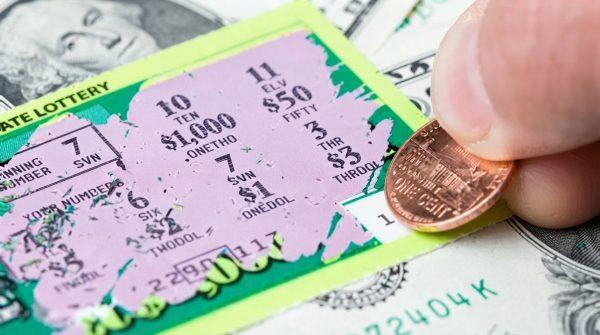
On a quiet Saturday morning in Woodhaven, Queens, a 69-year-old resident fell victim to a classic street con that cost her more than $5,000 in jewelry. The scam, which unfolded around 10:50 a.m. near 78th Street, used a fake winning lottery ticket as bait—a tactic that continues to trap unsuspecting New Yorkers, especially older adults.
The two suspects approached the woman in a gray BMW SUV, claiming they had a winning ticket but couldn't cash it in because of their immigration status. They spun a story about needing her help to claim the prize, a narrative designed to exploit both her goodwill and her trust. The woman, believing she was assisting someone in a bind, was persuaded to hand over her jewelry as a gesture of good faith.
The scammers then asked her to buy pain medication at a nearby pharmacy, a move that gave them time to slip away with the loot while she was inside the store. By the time she realized what had happened, the gray SUV was long gone.
Police investigation and public appeal
The NYPD has released surveillance images of the two suspects and is actively seeking the public's help. The first suspect was last seen wearing a white shirt, khaki pants, a newsboy cap, and a light accessory. The second wore all black, including a dark baseball cap. Investigators are urging anyone with information to contact Crime Stoppers at 1-800-577-TIPS.
This incident is a stark reminder that no government agency—whether local, state, or federal—will ever ask you to pay a fee or hand over valuables to claim a legitimate prize. The scammers' story about immigration status was a fabrication, but it worked because it played on the victim's empathy and her desire to help.
Community safety experts emphasize that a healthy dose of skepticism can prevent devastating losses. "These criminals are skilled at creating a sense of urgency and exploiting the kindness of strangers," says one NYPD officer familiar with the case. "If someone approaches you with a winning ticket and asks for money or valuables, it's almost certainly a scam."
How the scam works
This type of fraud, often called the "pigeon drop" or "lottery scam," has been around for decades, but it continues to evolve. The suspects typically work in pairs or groups, using a rehearsed script to confuse and pressure their target. They may claim they're undocumented and can't claim the prize, or that they're from out of town and need a local to help. The goal is to get you to hand over cash, jewelry, or other valuables as "proof" of your commitment.
In this case, the suspects used the pharmacy errand as a distraction, a common technique to separate the victim from their belongings. The woman's trust was exploited, but the con could have been avoided with a few simple precautions.
Protect yourself and your loved ones
- Never hand over valuables to strangers, no matter how convincing their story.
- Verify the ticket: Legitimate lottery winnings are processed through official channels, not on the street.
- Be wary of urgency: Scammers create a false sense of time pressure to cloud your judgment.
- Talk to family members: Older adults are often targeted, so have a conversation with your elders about these tactics.
This incident is a reminder that scams can happen anywhere, even in our own neighborhoods. The NYPD is asking anyone with information to come forward, and community leaders are spreading the word to prevent future victims.
For more on how scams and other urban issues affect New Yorkers, check out our coverage of the assisted dying law debate and the financial strain on Latino families. And if you're a Queens homeowner, you might enjoy this story about a local landlord's unusual tenant.
Stay safe, stay informed, and remember: if it sounds too good to be true, it probably is.