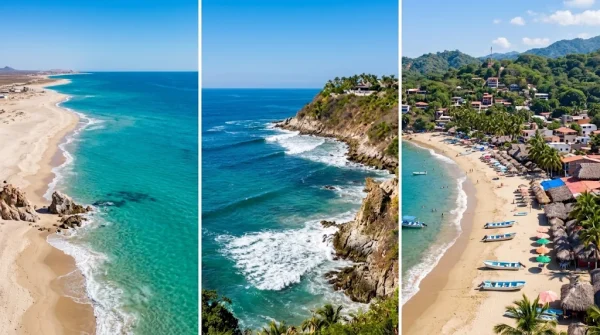
From the shores of Sonora to the beaches of Oaxaca, a quiet shift is underway: more U.S. buyers are purchasing vacation homes in Mexico's coastal towns, and in the process, they're adopting local rhythms and routines. It's not about seeking citizenship or official status—it's about finding a place to slow down, where a condo or casita costs a fraction of what it would in Florida or California.
According to Travelbinger, many buyers are skipping the big resort hubs in favor of smaller destinations. The legal path is well-established: the fideicomiso system allows foreigners to own property within 30 miles of the coast through a renewable 50-year bank trust. As of October 2026, the federal fee for setting up that trust is $1,160 (MXN 21,650), and total transaction costs typically run between 4% and 12% of the purchase price, depending on local legal requirements.
From weekend getaways to year-round havens
Retirees, remote workers, and investors are spending longer seasons along the coast, quietly buying condos and casitas while learning local customs. This cultural exchange is reshaping coastal towns into long-term personal havens, without any formal change in nationality.
Puerto Peñasco, Sonora
Known to most Americans as Rocky Point, Puerto Peñasco is the closest beach to Arizona, Nevada, and California—just 66 miles south of the border. Prices are far below Cabo or the Riviera Maya, making it an attractive entry point. A July 2025 local report listed more than 350 condos for sale on Sandy Beach, some sitting on the market for over a year, which gives buyers room to negotiate. But treat those numbers as a snapshot, not a forecast.
Puerto Escondido, Oaxaca
Puerto Escondido built its name on world-class surf, and property buyers have followed. New infrastructure—a highway to Oaxaca City, airports, hospitals, schools, and supermarkets—has made this once-remote destination far more accessible. Near La Punta and Zicatela, beachfront values have jumped over 20% year over year. A condo in La Punta starts around $200,000, while a comparable unit in Tulum goes for $400,000. With U.S. interest rates staying high through mid-2025, buyers are comparing listings carefully before trusting any single agent's figure.
Sayulita, Nayarit
Sayulita is a bohemian village just north of Puerto Vallarta, with winter temperatures hitting 85°F. The short-term rental market here is mature and structured, offering steady income for owners who split their time abroad. For those looking for an active community and a property that pays for itself, Sayulita's casitas are a solid bet.
Mazatlán, Sinaloa
Mazatlán offers a fully developed urban environment, not just a resort strip. It's a real city with history, culture, and miles of sandy beaches. Cash transactions dominate, so anyone planning to finance should ask early what lenders and developers actually offer. For buyers who want an authentic Mexican city experience, Mazatlán delivers.
Los Cabos, Baja California Sur
Los Cabos remains the top luxury destination for U.S. and Canadian buyers. With direct flights from over 30 U.S. cities, it's easy to commute for those who split their time. High-net-worth investors continue to prioritize this region for flagship vacation estates, despite premium prices.
Playa del Carmen, Quintana Roo
Playa del Carmen appeals to buyers who want walkable streets, nightlife, and immediate beach access—not an isolated resort. Options range from downtown boutique condos with over 1,200 square feet to exclusive gated communities. It's a place where Americans are becoming “Mexicans” every winter season, blending into the local fabric.
This trend isn't just about real estate; it's about a lifestyle shift. As more Americans embed themselves in these communities, they're also contributing to local economies and cultural exchange. For a deeper look at how coastal towns are evolving, check out our story on California's rare beachfront resort approval or the investor frenzy around a storm-damaged Long Beach mansion.
Whether it's the surf of Oaxaca or the urban energy of Mazatlán, Mexico's coastline offers a compelling alternative to U.S. beach towns. And for many, the appeal isn't just the price—it's the chance to live a little more a la mexicana.