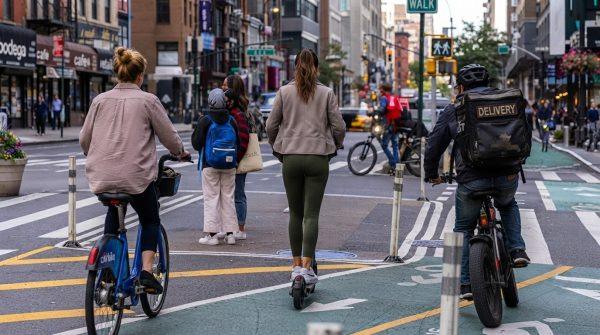
This summer, the streets of New York City have become a flashpoint in the debate over electric bikes and scooters. As thousands of delivery workers and commuters zip through the five boroughs, the number of serious collisions has spiked, turning what was once a convenience into a public safety concern.
According to the New York City Police Department, e-bike crashes reached 491 reported cases, while skateboard-related incidents jumped from 510 to 677. These numbers have put city officials on the defensive, with the City Council scheduling urgent hearings to consider new rules aimed at curbing speeding and protecting pedestrians.
A growing crisis on city streets
The rise in electric micromobility crashes is not just a statistic—it's a daily reality for many New Yorkers. In Manhattan and surrounding counties, crowded sidewalks and bike lanes have become zones of conflict, where a moment's inattention can lead to serious injury. The city's Department of Transportation confirmed that driver fatalities have reached 18 recent victims, adding urgency to the legislative push.
Community groups like the Electric Vehicle Safety Alliance argue that official numbers may understate the problem. They point to the lack of license plates on many e-bikes and scooters, which makes it difficult to hold violators accountable. This, they say, allows reckless riding to continue unchecked, turning a simple walk to the store into a risky venture.
Neighborhood associations are now demanding rigorous oversight, including mandatory identification plates for all delivery workers operating through digital apps. The hope is that visible IDs will deter dangerous behavior and make it easier to report incidents.
Legal loopholes and health impacts
Current regulations in New York are notably permissive. E-bikes and scooters can circulate without requiring driver licenses or mandatory insurance, creating a legal gray area that complicates enforcement. A study from NYU Langone Health, published in the Neurosurgery Journal, found that brain traumas treated in emergency rooms jumped from under 10% in 2018 to over 50% in 2023—a stark indicator of the public health toll.
City officials are under pressure to address modified devices that exceed legal speed limits. The Department of Transportation has confirmed that some of these vehicles are capable of speeds far beyond the 15 mph cap, making them especially dangerous in pedestrian-heavy areas. In response, the City Council is evaluating new measures that would require digital platforms to share route and delivery time data, aiming to curb the reckless driving that often comes from tight commercial deadlines.
What's being proposed
Among the proposals under consideration are strict bans on e-bikes and skateboards on sidewalks, mandatory compliance with traffic signals and speed limits, and a requirement for delivery companies to verify the registration of their fleets. Repeat offenders could face exemplary punishments, a move that some residents see as long overdue.
But not everyone is on board. Some riders argue that e-bikes are a lifeline for low-income workers, many of whom are Latino immigrants, who rely on them for their livelihoods. They worry that overly strict rules could hurt those who depend on this mode of transport to make a living.
For now, the debate continues. As the city gears up for September hearings, the voices of both safety advocates and delivery workers are being heard. The challenge is to find a balance that keeps streets safe without stifling the economic opportunities that e-bikes provide.
For those looking to stay informed on urban safety issues, our coverage of Bronx rental safety offers a related perspective. And for parents, our guide on body safety rules for kids is a useful resource.
The road ahead is uncertain, but one thing is clear: the era of unregulated e-bikes in New York City is coming to an end. Whether the new rules will be enough to restore peace to the streets remains to be seen.