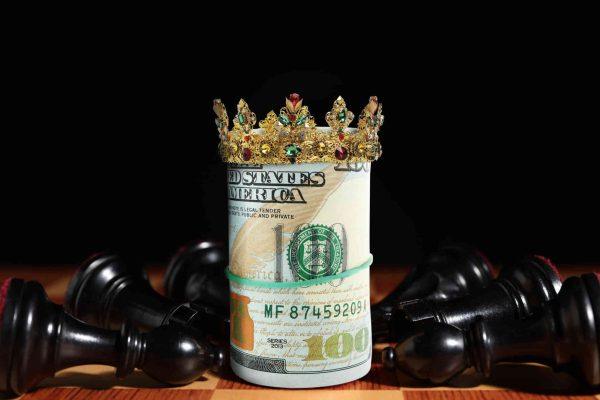
California's ambitious attempt to tax its wealthiest residents appears to be crumbling. With 60% of ballots counted, Proposition 40—which would have imposed a one-time 5% levy on the state's roughly 200 billionaires—is trailing badly, with 55.6% of voters rejecting it. The measure was projected to raise $100 billion for public healthcare, but the early returns suggest that California billionaires will not be writing that check anytime soon.
The defeat, while not yet official, is being called "virtually irreversible" by projections from the San Francisco Chronicle. Nobel laureate Joseph E. Stiglitz, who supported the measure, noted that this was the first U.S. vote to directly tax mega-fortunes. But the momentum clearly swung against the proposal in the final weeks, fueled by a well-funded opposition campaign that warned of massive capital flight from the Golden State.
What Proposition 40 would have done
The measure was designed to address wealth inequality in a state that boasts the world's fourth-largest economy. It targeted the fortunes of the state's richest individuals, applying a 5% tax on total net worth above a certain threshold. The revenue, estimated at $100 billion, was earmarked for public healthcare systems that have been strained by federal budget cuts.
Supporters argued that the tax was a necessary step to ensure that the ultra-wealthy contribute their fair share, especially as the state faces growing social needs. They pointed to the fact that California is home to more billionaires than any other state, and that the gap between the rich and the rest has widened dramatically in recent years.
But opponents, including business groups and several high-profile tech executives, countered that the tax would drive billionaires out of California, taking their investments and jobs with them. They funded multi-million-dollar ad campaigns that painted the measure as a job-killer and a threat to the state's economic competitiveness.
A pattern of rejection
This is not the first time California voters have turned down a wealth tax. In fact, similar proposals have been rejected three times in this decade alone. The pattern suggests that while there is broad public support for addressing inequality, voters are wary of tax measures that single out the wealthy, fearing unintended consequences.
The outcome is a relief for many in the business community, who see the defeat as a validation of their arguments. "This is a victory for common sense and for the California economy," said one business leader, who asked not to be named. "We need to find ways to fund our public services without driving away the very people who create jobs and innovation."
For now, the state's billionaires can breathe a sigh of relief. But the debate over wealth taxation is far from over. As California grapples with budget shortfalls and social needs, the pressure to find new revenue sources will likely resurface. And with Latino candidates winning governorships in California and Texas, the political landscape may shift in ways that could bring the issue back to the ballot.
In the meantime, the state's healthcare system will have to make do without the $100 billion windfall. The defeat is a reminder that even in a state as progressive as California, taxing the rich is easier said than done. As the results stand, the wealth tax is dead—for now.