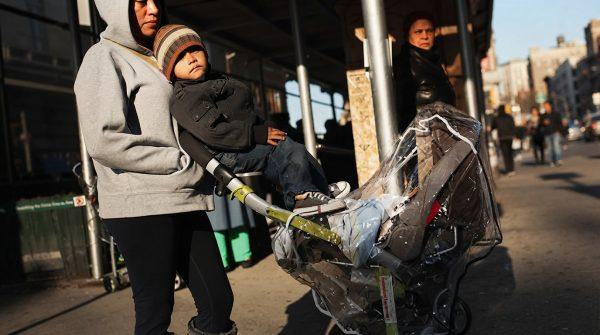
As the new school year approaches, parents across the Americas are preparing their children for classrooms in cities like Chicago, New York, and Los Angeles. But beyond backpacks and uniforms, there's a crucial conversation that often gets overlooked: body safety. For Latino families, where close-knit communities and physical affection are cultural norms, teaching children about personal boundaries can feel delicate. Yet child psychologists and pediatric specialists agree that these lessons are vital for protecting kids from potential harm.
Here are 10 body safety rules to discuss with your child before they head back to school, based on guidance from child advocacy organizations and health experts.
1. Your body belongs to you
Children need to understand that they have ownership over their own physical space. No one—not a teacher, coach, relative, or friend—has the right to force hugs, kisses, or any form of physical affection. This principle is especially important in Latino households where besos y abrazos are common greetings. Teach your child that it's okay to say no to physical contact, even with family members.
2. Use proper names for body parts
Using correct anatomical terms—like penis, vagina, breasts, and buttocks—removes confusion and empowers children to communicate clearly if something happens. It also signals to potential abusers that the child is informed and less vulnerable. Avoid nicknames that can create ambiguity.
3. Private parts are private
Explain that the areas covered by underwear are private. Only doctors, nurses, or trusted caregivers (like parents) may touch them for health or hygiene reasons, and always with the child's knowledge and consent. This rule applies at school, during sports practices, and at home.
4. Safe touch vs. unsafe touch
Help your child distinguish between touches that are safe (like a high-five or a pat on the back) and those that feel uncomfortable or confusing. A safe touch doesn't hurt and is welcome; an unsafe touch may be painful, scary, or make the child feel uneasy. Encourage them to trust their gut.
5. Trust your instincts
Children have strong intuition. Teach them that if a situation or person feels wrong—even if they can't explain why—they should listen to that feeling and remove themselves. This is especially relevant in new environments like a school bus, playground, or extracurricular activity.
6. No secrets about touch
Abusers often tell children to keep secrets. Make it clear that no one should ask them to keep a secret about touching or any physical interaction. Secrets about gifts or surprises are okay, but anything involving their body must be shared with a trusted adult immediately.
7. You have the right to say no and walk away
Empower your child to say no firmly and leave any situation that makes them uncomfortable. Practice role-playing scenarios at home so they feel confident doing this. This rule applies even with adults in authority, like teachers or coaches.
8. Build a network of trusted adults
Identify at least five trusted adults your child can turn to if they feel unsafe—this could include parents, grandparents, a favorite teacher, a school counselor, or a neighbor. In Latino communities, extended family and compadres often play this role. Make sure your child knows they can talk to any of these people without fear.
9. Keep the conversation going
Body safety isn't a one-time talk. Revisit these rules regularly, especially as children grow and face new situations. Use everyday moments—like bath time or a TV show—to reinforce the message. Repetition builds confidence and reduces fear.
10. Report anything that feels wrong
Emphasize that if something happens, they will be believed and supported. Many children stay silent because they fear punishment or not being taken seriously. Create a home environment where open dialogue is encouraged, and listen without judgment.
For families in cities like Chicago, where school budgets are strained and resources vary, these conversations become even more critical. Similarly, parents in New York can combine safety talks with back-to-school preparations. The goal is not to scare children but to equip them with tools for self-advocacy.
Child welfare organizations across the United States and Latin America recommend integrating these rules into daily life. By doing so, we create a protective shield that extends beyond the classroom and into every aspect of a child's world.