New York City is giving low-income families a stronger hand at the grocery store. Starting January 2027, SNAP recipients will see their daily produce voucher jump from $10 to $14—a 40% increase—through the city's Health Bucks program. The move, announced by Mayor Zohran Mamdani on October 29, aims to make fresh fruits and vegetables more accessible at farmers markets across Manhattan, Brooklyn, Queens, the Bronx, and Staten Island.
For many Latino families in the city, this is more than a line item in a budget. It's a chance to put healthier food on the table without sacrificing other essentials. The Health Bucks program works as a direct multiplier: for every $2 spent using SNAP benefits at participating farm stands, shoppers get an extra $2 in vouchers. So a family spending $14 of their SNAP funds at a certified market receives $14 more in produce vouchers—effectively doubling their buying power for fresh goods.
How the expanded grocery benefit works
The incentive system is tied directly to Electronic Benefit Transfer (EBT) card usage at authorized market locations. Here's what families can expect:
- Base matching: Every $2 spent with federal food assistance at participating farm stands earns an additional $2 in Health Bucks.
- Practical impact: A household spending $14 of SNAP funds at a certified stand receives $14 extra in produce vouchers.
- Annual investment: The city projects distributing approximately $2.3 million in special vouchers during 2027.
- Historical milestones: Since the program launched in 2005, the health department has delivered over $20 million in nutrition vouchers.
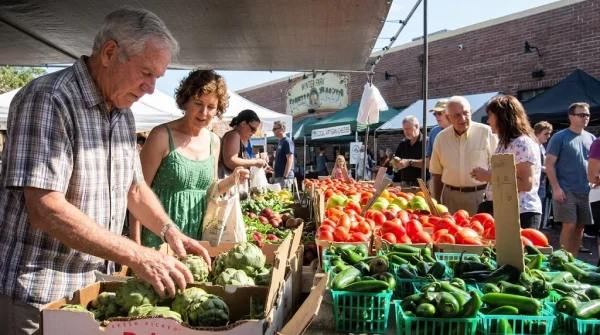
- Seasonal operations: More than 100 farmers markets operate during summer and fall across all five boroughs.
- Community navigation: Residents can use the NYC Health Bucks Official Portal to find nearby markets and vendor schedules.
City officials stress that these vouchers do not reduce regular monthly SNAP allocations. They work as a separate purchasing boost, available only at agricultural stalls during their seasonal months. That means families can stretch their food dollars further without worrying about cutting into their core benefits.
Mayor Mamdani framed the policy as a direct response to the daily financial uncertainty many New Yorkers face. "Every day, New Yorkers walk into a store hoping prices have not gone up again," he said during the press briefing. The expanded benefit is designed to give shoppers more breathing room at the checkout.
Beyond the voucher: a broader food strategy
The Health Bucks expansion is part of a larger push to tackle food insecurity in the city. Health Commissioner Alister F. Martin warned that chronic conditions like heart disease are closely linked to poor diet quality. "Knowing the value of healthy eating does not mean families have the funds to afford it," he said, framing the produce vouchers as essential preventive health policy.
The city is also moving to build public grocery stores in underserved neighborhoods. La Marqueta in East Harlem has been selected as the first municipal site, with plans to open a store in each borough before the mayor finishes his first term. This creates a more comprehensive food network for families receiving SNAP, complementing the seasonal farmers markets.
For Latino communities across the five boroughs, this is a welcome step. Many families already rely on farmers markets for affordable produce that reminds them of home—from plantains to nopales to fresh herbs. The expanded benefit means more of those staples can make it to the kitchen table.
If you're a SNAP recipient in New York, now is the time to check the Health Bucks portal and see which markets near you will accept the vouchers. And for those interested in how other cities are handling food access, our coverage of food bank boosts and SNAP losses offers a broader look at the challenges ahead.
The program's expansion is a reminder that small, targeted investments can make a real difference in daily life. As the city continues to roll out these changes, families can look forward to a little more freshness on their plates—and a little less stress at the register.