For weeks, the Atlantic off Long Island felt like the set of a creature feature. A humpback whale turned up with a massive bite, a tuna was found half-eaten, and a gray seal bore wounds that looked like they came from something out of a nightmare. Marine biologists were on edge, and the internet did what it does best: it named the phantom Sharkzilla and blamed decades-old nuclear waste dumped in the Hudson Canyon.
The theory was tantalizing—radiation mutating a great white into a monster. But when a team led by marine scientist Craig O'Connell finally got close enough to collect DNA, the truth was far more interesting, and far less terrifying.
The hunt for the beast
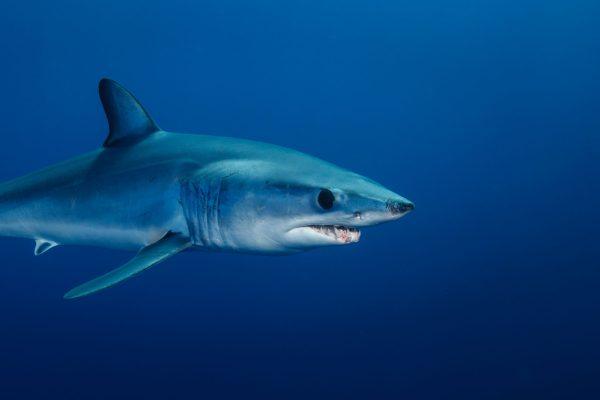
O'Connell and his crew spent days in deep water, using baited cameras and decoys to lure the predator. They attracted several large sharks that circled and vanished, but persistence paid off. They managed to tag and biopsy the animal responsible for the chaos. Back in the lab, the results were clear: no mutation, no radioactive glow. Just a large female shortfin mako, one of the ocean's fastest and most formidable hunters, doing what mothers do—feeding to sustain herself and her pups.
The mako's presence, while not a mutant, is still significant. According to O'Connell, it may signal a gradual return of large sharks to the waters off Montauk, a region where they were once common but had become rare due to overfishing and habitat changes.
Why the attacks happened
The mako wasn't on a rampage; she was hunting. The bite marks on the humpback and seal were likely defensive or opportunistic, not the work of a crazed mutant. Makos prefer open water and rarely pose a threat to swimmers, though they are known for their speed and agility—traits that make them a prized catch for sport fishermen.
For the Latino communities along the coast, the news is a relief. The fear of a radioactive shark was, as O'Connell put it, "a Hollywood script that didn't hold up to science." But the story also highlights the delicate balance of marine ecosystems, something that resonates in places like Galveston and Englewood, Florida, where coastal communities are increasingly aware of the ocean's health.
The mako's return is a reminder that the ocean is still wild, and that our fears often outpace reality. As O'Connell noted, "We should be more worried about the health of our waters than about monsters."
While the Sharkzilla myth has been debunked, the mako's presence is a positive sign for biodiversity. It's a story that shifts the narrative from fear to conservation, and it's one that coastal residents—from Montauk to New Jersey beaches—can appreciate.