For many Latino families in the Northeast, a trip to the Jersey Shore is a summer ritual—a chance to escape the city heat, grill some carne asada, and let the kids splash in the Atlantic. But this season, New Jersey’s coastal waters are under scrutiny after state environmental officials detected elevated bacteria levels at ten beaches along the coast.
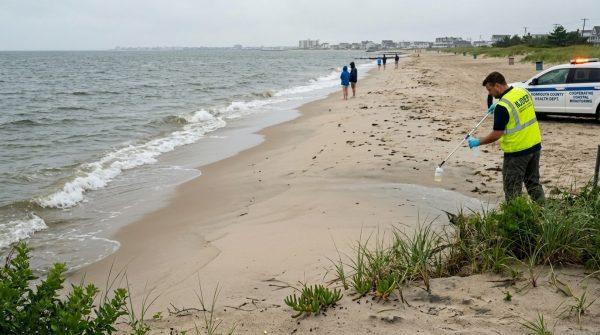
The New Jersey Department of Environmental Protection (DEP) issued safety advisories for these areas after routine water sampling found concentrations of enterococci bacteria exceeding the federal threshold of 104 colonies per 100 milliliters. While no beaches are currently closed, the warnings signal that swimmers should exercise caution, especially after heavy rains.
Which Beaches Are Affected?
The advisories cover a mix of oceanfront and bay locations across four counties. Here’s the full list:
- Imperial House Beach – Long Branch, Monmouth County
- Elberon Beach Club – Long Branch, Monmouth County
- Baltimore Boulevard Beach – Sea Girt, Monmouth County
- Highlands Recreation Center Beach – Atlantic Highlands, Monmouth County
- 5th Avenue Bayfront Beach – Seaside Park, Ocean County
- Beesley’s Point Beach – Upper Township, Cape May County
- 57th Street Beach – Avalon, Cape May County
- Malibu Beach – Egg Harbor Township, Atlantic County
- Park Beach – Ventnor, Atlantic County
- Ocean County closed river site – (specific name not disclosed)
These locations are monitored daily by the DEP’s Cooperative Coastal Monitoring Program, which tests over 200 sampling points statewide each week. Local health departments and lifeguards have posted advisory signs at the affected beaches.
Health Risks and What to Watch For
Enterococci bacteria are indicators of fecal contamination. Exposure can cause gastrointestinal illness, skin rashes, and ear infections—especially in children, older adults, and those with weakened immune systems. Symptoms like vomiting, diarrhea, or fever should prompt a visit to a doctor.
“After a rainstorm, bacteria levels can spike quickly because stormwater runoff carries pollutants into the ocean and bays,” explains a DEP spokesperson. “We recommend waiting at least 24 to 48 hours after heavy rain before swimming.”
For Latino families who often spend full days at the beach, this means planning ahead. Check the Cooperative Coastal Monitoring Program’s online map before you pack the cooler.
Broader Context: Warming Waters and Rising Risks
This year’s bacteria alerts come amid a larger trend: warming ocean temperatures along the U.S. East Coast are creating conditions that favor harmful bacteria. A recent report highlighted the early arrival of flesh-eating bacteria in some coastal areas, though that is a different pathogen. Still, the message is clear: climate change is reshaping our relationship with the shore.
For New Jersey’s Latino community—which makes up nearly 21% of the state’s population, according to the latest census—these advisories are a reminder to stay informed. Many families rely on public beaches for affordable recreation, and a day at the shore shouldn’t come with hidden health risks.
Safety Tips for Your Next Beach Trip
- Check water quality reports before you go. The DEP updates its website daily with real-time data.
- Avoid swimming near storm drains or pipes, especially after rain. These are common entry points for contaminated runoff.
- Shower after swimming and wash hands before eating. Simple hygiene reduces the risk of infection.
- Keep an eye on kids—they’re more likely to swallow water and are more vulnerable to illness.
As summer heats up, the DEP will continue testing and updating advisories. For now, the best advice is to stay informed, stay safe, and don’t let a bacteria alert ruin your familia’s beach day. After all, the Jersey Shore has been a home away from home for generations of Latinos—from the puertorriqueños of Camden to the dominicanos of Newark.
For more on how New Jersey is preparing for major events this summer, check out our story on free World Cup tickets for families and healthcare workers.