New York City is a place that many Latinos dream of visiting, whether to trace the footsteps of family who passed through before, to catch a glimpse of the neighborhoods that have been home to generations of Puerto Ricans, Dominicans, Mexicans, and so many others, or simply to experience the energy of the world's most iconic metropolis. But a first trip can feel like trying to drink from a fire hydrant: five boroughs, hundreds of neighborhoods, and an endless list of things to see and do. The key is to approach it with a strategy.
Plan by Neighborhood, Not by Attraction
The smartest way to tackle New York is to group your visits by geographic zones. Instead of bouncing from Midtown to the Lower East Side and back again, spend a full day in each area. This not only saves time on the subway but also lets you absorb the character of each neighborhood. For example, you can start your day in Midtown, taking in the bright lights of Times Square, the architectural grandeur of Grand Central Terminal, and the green respite of Bryant Park—all within walking distance of each other.
This approach is especially useful for families or groups with varied interests. While some might want to shop in SoHo, others can explore the cobblestone streets and art galleries of the nearby West Village. By staying in one zone, you can split up and regroup easily, making the day more enjoyable for everyone.
Free and Low-Cost Highlights
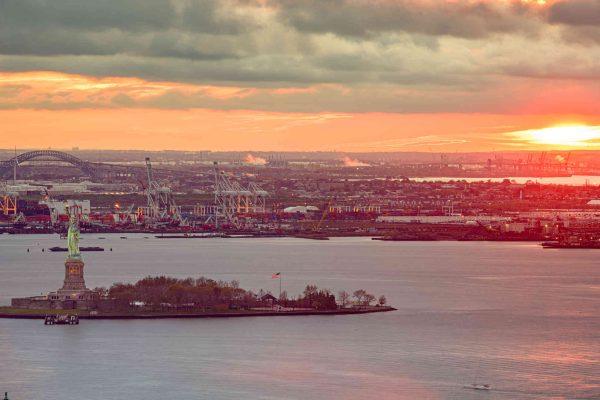
One of the best things about New York is that many of its greatest experiences don't cost a dime. The Staten Island Ferry, for instance, offers stunning views of the Statue of Liberty and the Manhattan skyline, and it's completely free. It's a favorite among locals and visitors alike, and it's a great way to get your bearings on the city's layout.
Another free gem is Little Island, a floating park on the Hudson River that opened in 2021. Its undulating, tulip-shaped platforms are a marvel of design and offer a peaceful escape from the city's hustle. For a dose of history, walk across the Brooklyn Bridge and explore the charming streets of Brooklyn Heights, where you'll find some of the oldest houses in the city and breathtaking views of Lower Manhattan.
If you're interested in culture, the New York Public Library's main branch on Fifth Avenue is a must-see, and it's free to enter. The Rose Main Reading Room, with its ornate ceilings and long wooden tables, is a cathedral of knowledge that will make you feel like you've stepped into a movie.
Latino Neighborhoods and Cultural Connections
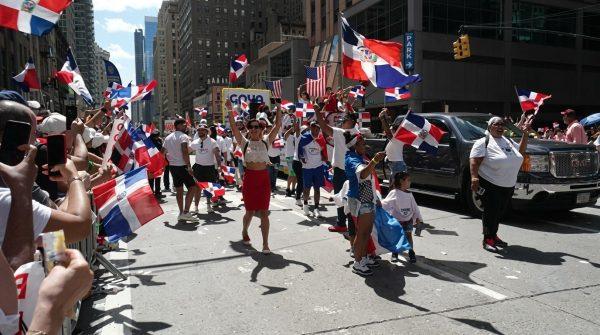
For Latino visitors, New York offers a deep connection to our heritage. In East Harlem, also known as Spanish Harlem, you'll find a vibrant Puerto Rican community, with murals, bakeries, and the famous El Museo del Barrio, which celebrates Latin American and Caribbean art. In Washington Heights, the Dominican influence is strong, and you can enjoy some of the best mofongo and chimichurri outside of Santo Domingo.
These neighborhoods are not just tourist stops; they are living communities where you can hear Spanish on every corner and feel the pulse of the diaspora. For those interested in the broader Latino experience in the U.S., a visit to the Lower East Side's Tenement Museum offers a glimpse into the lives of immigrants, including many from Latin America, who shaped the city.
Museums and Modern Marvels
No first trip to New York is complete without visiting its world-class museums. The Metropolitan Museum of Art, on the Upper East Side, is a treasure trove of human history, and its collection of Latin American art is impressive. The Museum of Modern Art (MoMA) in Midtown is another must-see, with works by Frida Kahlo and Diego Rivera that resonate deeply with Latino visitors.
For a taste of the future, head to Hudson Yards, a futuristic development on the West Side. The Vessel, a honeycomb-like structure, is a popular photo spot, though you'll need to reserve a free ticket to climb it. The High Line, an elevated park built on an old rail line, runs through the area and offers a unique perspective on the city.
Practical Tips for a Smooth Trip
To make the most of your time, consider purchasing a MetroCard or using the OMNY contactless payment system for the subway. It's the fastest way to get around, and it's much cheaper than taking cabs everywhere. Also, be prepared for crowds, especially in popular spots like Times Square. And remember, New Yorkers are friendly despite their reputation—don't hesitate to ask for directions or recommendations.
If you're looking for a place to stay, consider neighborhoods like Jackson Heights in Queens, which is a hub of Latino culture and offers more affordable lodging options. Or check out our guide to affordable and safe NYC neighborhoods if you're thinking of staying longer.
Finally, keep an eye on the city's evolving landscape. New York is constantly changing, and there's always something new to discover. For instance, the Financial District has seen a cultural revival that has made it one of the coolest neighborhoods in the world. And with the upcoming World Cup in 2026, the city is preparing for an influx of visitors, which could impact tourism and hotel prices, as seen in this analysis.
In short, a first trip to New York is an unforgettable experience, especially for Latinos who can find echoes of home in every borough. With a little planning and an open mind, you'll leave with memories that last a lifetime.