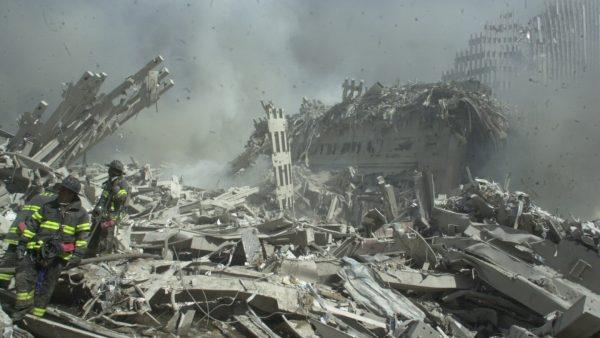
Twenty-five years after the September 11 attacks, New York City has finally opened its archives. Mayor Zohran Mamdani announced the release of 170,000 pages of internal records that shed new light on what officials knew about the toxic air at Ground Zero—and what they chose to tell the public. For years, residents, rescue workers, and firefighters were assured the air was safe to breathe. The documents tell a different story.
The records, pulled from 68 municipal boxes, include internal memos and emails where city managers acknowledged the presence of hazardous chemical substances in the aftermath of the attacks. Despite these warnings, public statements downplayed the risks. The city prioritized avoiding legal liability over protecting the health of its own people, according to advocacy groups like 9/11 Health Watch.
What the records reveal
The newly released files show that officials were aware of the dangers posed by the dust and debris that blanketed lower Manhattan. They knew about the potential for respiratory illness and long-term health damage, yet they repeatedly told the public that the air was safe. This contradiction is at the heart of the outrage.
Council member Julie Menin stated in early 2026 that residents and emergency services were assured the air was safe, yet thousands of people subsequently fell ill with attack-linked ailments, including cancer. The FDNY has seen over 600 deaths from toxic dust exposure, a crisis that continues to affect the Latino community and all New Yorkers who answered the call on that day.
The release of these records is a direct response to lawsuits and relentless demands from surviving families and community advocates. Mayor Mamdani, flanked by Jon Stewart, a prominent advocate for 9/11 victims, made the announcement at City Hall. Stewart has been a vocal critic of the government's handling of the health crisis, and his presence underscored the political pressure to accelerate the release of all pending documents.
Legal and health consequences
The publication of these records opens a new chapter in the legal battles waged by victim families against institutional opacity. Medical experts point out that no institutional apology can compensate for the lack of preventive warnings regarding respiratory hazards during the early post-attack months. The city administration has noted that additional records will undergo review and publication over the coming months, while investigations continue.
Prosecutors are now analyzing whether the newly disclosed files justify criminal investigations into institutional crisis management. The city faces mounting pressure to ensure that those responsible for the cover-up are held accountable. For the thousands of affected individuals, including many Latino first responders and residents, this is a matter of justice.
Impact on collective memory
As the 25th anniversary of the attacks approaches, the commemoration will center on demands for nationwide justice and informational transparency. Affected associations will use the released records to substantiate future institutional negligence lawsuits linked to the disaster's aftermath. Historians and political analysts consider this documentary milestone a turning point that will transform official crisis management narratives across major metropolises.
For the Latino community, many of whom were among the first responders and recovery workers, this release is deeply personal. It echoes the struggles of communities across the Americas who have faced environmental injustices and government neglect. The fight for truth and accountability is not just about 9/11—it's about the right of every community to know what their governments are doing in their name.
Civil society maintains constant vigilance to ensure that future generations discover the true historical facts regarding toxic Ground Zero air. The release of these records is a step toward that goal, but it is only the beginning. As the city continues to release more documents, the hope is that the full truth will finally come to light.
For more on the ongoing health crisis, see our coverage of the FDNY's 9/11 health crisis. And for a broader look at how environmental disasters affect communities, check out our report on dengue cases in Florida.