Florida is facing a concerning surge in dengue fever, with cases doubling in just one week. The Florida Department of Health reports that local transmission has reached 73 documented infections, triggering alerts across ten counties. This rapid increase highlights the ongoing threat of mosquito-borne illnesses in the state, especially during the summer months.
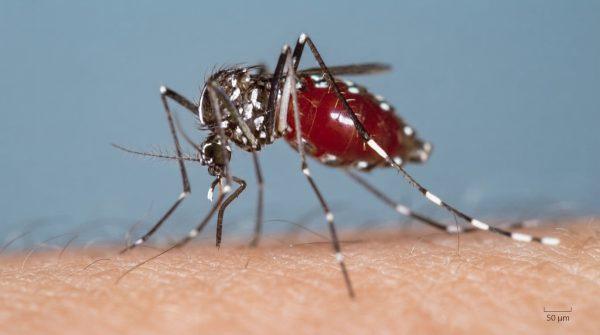
Dengue is a viral infection transmitted by Aedes mosquitoes, which thrive in warm, humid climates and breed in standing water. The disease is common in many parts of Latin America and the Caribbean, and Florida's subtropical environment makes it a hotspot for local outbreaks. For the state's large Latino community, many of whom have family ties to dengue-endemic regions, this news hits close to home.
Recognizing the symptoms early
Health experts emphasize that early recognition of dengue symptoms is crucial for preventing severe complications. Symptoms typically appear 3 to 14 days after a mosquito bite and can include sudden high fever (up to 104°F), severe headaches, pain behind the eyes, muscle and joint pain, and a distinctive skin rash. Some patients also experience nausea, vomiting, and swollen lymph glands.
Dr. María González, an infectious disease specialist in Miami, explains, "Dengue can progress rapidly, so it's vital to seek medical care if you develop these symptoms, especially after being in areas with known mosquito activity." She adds that while most cases are mild, the disease can become severe and life-threatening.
Severe dengue: a medical emergency
Severe dengue, also known as dengue hemorrhagic fever, can develop 1 to 2 days after the fever subsides. Warning signs include persistent abdominal pain, repeated vomiting (more than three times in 24 hours), bleeding gums or nose, blood in urine or stool, and easy bruising. Patients may also experience extreme fatigue, restlessness, and difficulty breathing.
In such cases, immediate emergency care is essential. Health officials strongly advise against taking nonsteroidal anti-inflammatory drugs (NSAIDs) like ibuprofen or aspirin, as they can increase bleeding risk. Instead, patients should use acetaminophen under medical supervision and stay well-hydrated.
Prevention is key
Preventing mosquito bites is the most effective way to avoid dengue. The Centers for Disease Control and Prevention (CDC) recommends using EPA-registered insect repellents containing DEET or picaridin, wearing long-sleeved shirts and long pants, and ensuring windows and doors have intact screens. Eliminating standing water around homes—such as in flower pots, buckets, and old tires—is also critical, as mosquitoes breed in these areas.
Local authorities are conducting insecticide spraying in high-risk neighborhoods and distributing educational materials. Community participation is vital, as the virus spreads through mosquito populations that can quickly rebound if breeding sites are not removed.
For those planning travel to dengue-endemic regions, especially in Latin America and the Caribbean, it's important to consult a healthcare provider before departure. Currently, a dengue vaccine is only approved for children aged 9 to 16 with a prior laboratory-confirmed infection, and it is not recommended for most travelers.
This surge in Florida comes amid broader concerns about mosquito-borne diseases in the U.S., including a recent measles outbreak that has cost billions. While dengue and measles are different, both highlight the importance of public health vigilance.
For Florida's residents, especially those in South Florida, staying informed and taking preventive measures can make all the difference. As the state continues to battle this outbreak, health officials urge everyone to remain alert and protect themselves and their families.