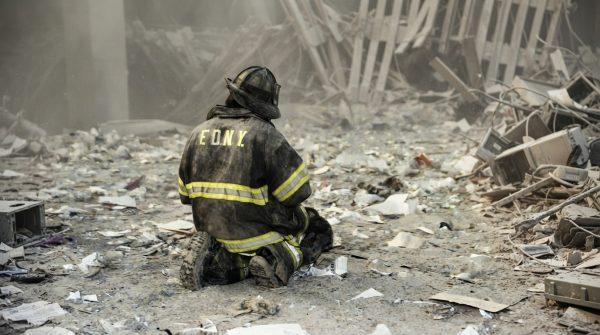
Twenty-five years after the September 11 attacks, the toll on New York City's Fire Department continues to mount in ways that were not visible in the immediate aftermath. While the world remembers the collapse of the Twin Towers as a single day of horror, for the thousands of firefighters, EMTs, and other FDNY personnel who worked at Ground Zero, the disaster never really ended. It evolved into a chronic, invisible health crisis that has now claimed more lives than the 343 members who died on that day.
According to a recent report highlighted by ABC 7 NY, over 600 FDNY members have died from illnesses linked to their work at the World Trade Center site. These deaths are the result of prolonged exposure to the toxic dust and chemicals that filled the air for months after the towers fell. The report underscores a grim reality: the emergency stretched far beyond the initial rescue and recovery operations, leaving a legacy of pulmonary disease, cancer, and other serious conditions among those who answered the call.
A health battle that spans decades
Commissioner Lillian Bonsignore, who oversees the FDNY's medical and benefits operations, detailed the scope of the crisis in a recent briefing. She noted that the number of post-9/11 deaths among department members has surpassed 600, a figure that continues to rise as more first responders succumb to illnesses diagnosed years after their exposure. This statistic, she emphasized, is a stark reminder that the attacks' impact was not confined to a single day but has reverberated through the lives of public servants for a quarter-century.
Medical specialists point out that the very nature of the rescue work—digging through rubble, searching for survivors, and later recovering remains—meant that first responders inhaled a cocktail of pulverized concrete, glass fibers, heavy metals, and other hazardous materials. For many, a few hours of duty turned into a permanent health battle. Dr. David Prezant, the FDNY's chief medical officer, has been at the forefront of this fight. He explains that rigorous monitoring has been key to early diagnosis and treatment, which has dramatically improved survival rates. Among FDNY members diagnosed with cancer, the five-year survival rate now stands at 86%, a testament to the importance of the medical surveillance programs in place.
The numbers are staggering. Nearly 16,000 firefighters have enrolled in specialized health monitoring programs since 2001. Of those, more than 12,000 have received a diagnosis of a condition directly linked to their 9/11 exposure. This includes close to 5,000 cases of cancer, with 26% of those patients battling multiple types of the disease simultaneously. These figures, compiled by health institutions and the FDNY, paint a picture of a workforce that has been disproportionately affected by a disaster that many thought ended when the smoke cleared.
Clinical protocols and the fight for care
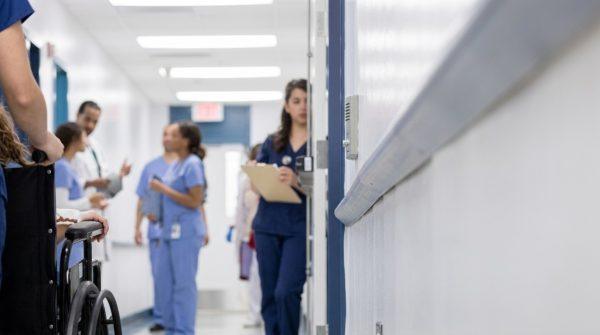
To address this ongoing crisis, the FDNY and the federal World Trade Center Health Program have implemented rigorous clinical protocols. Annual pulmonary exams are now mandatory for all members who worked at Ground Zero, aimed at detecting chronic obstructive pulmonary disease and other respiratory conditions before they become debilitating. The program also provides free access to advanced oncological treatments, ensuring that first responders do not face financial ruin while fighting for their health. Additionally, continuous psychological evaluations are part of the standard care, addressing the post-traumatic stress that many still carry from the harrowing scenes they witnessed.
These measures have been crucial, but they have not been without challenges. The sheer scale of the health crisis has forced a reallocation of budgets, and legal battles continue over the adequacy of protective gear provided in the early weeks of the response. Labor organizations have long argued that the lack of proper respirators and other equipment in the initial phase sealed the fate of hundreds of workers. Their demands for justice and additional resources have become a permanent fixture on New York's legislative agenda, as the fight for recognition and compensation continues.
The James Zadroga 9/11 Health and Compensation Act, named after a New York City police officer who died of a respiratory disease linked to his work at Ground Zero, has been a cornerstone of federal support. It has provided billions of dollars for medical monitoring and treatment, but the need remains urgent. As the FDNY's own data shows, the health effects of 9/11 are not a thing of the past—they are a present and ongoing reality for thousands of men and women who served their city in its darkest hour.
For the Latino community, many of whom have family members in the FDNY and other first responder roles, this story hits close to home. The FDNY's ranks have always included a significant number of Latino firefighters, and their sacrifices are part of the broader narrative of service and resilience. As we reflect on the 25th anniversary of 9/11, it is essential to remember that the heroes of that day are still fighting—not just against the memories, but against the invisible threats that continue to claim lives. Their courage, and the ongoing commitment to their care, is a testament to the enduring spirit of those who run toward danger when others run away.