As summer temperatures rise in New York City, the threat of heat-related illness becomes a serious concern—especially for Latino and Black communities. According to the NYC Health Commissioner, approximately 500 New Yorkers die prematurely each year from causes linked to high temperatures, making heat waves one of the deadliest weather hazards in the region.
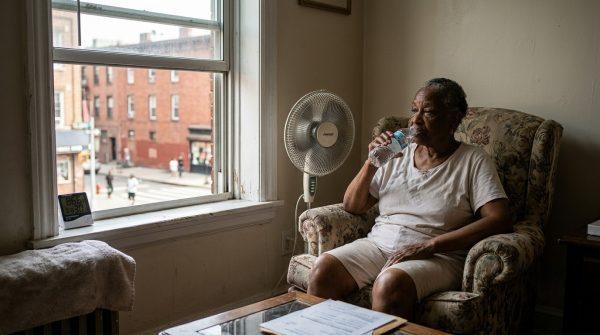
What's particularly alarming is that about 80% of these deaths occur on days that aren't officially classified as extreme heat events. Temperatures between 82°F and 94°F (28°C to 34°C) can be just as dangerous, especially when they occur more frequently due to climate change. Most victims are exposed to dangerous heat inside their own homes, often because they lack air conditioning or cannot afford to run it.
Why Latino Communities Are at Higher Risk
The data reveals a stark disparity: Black and Latino New Yorkers are disproportionately affected by heat-related deaths. This isn't a coincidence—it's a reflection of historical inequalities in housing quality, neighborhood conditions, and access to cooling systems. Many families in neighborhoods like Washington Heights, Bushwick, or the South Bronx live in older buildings with inadequate ventilation or no air conditioning at all.
As the cost of living continues to rise, some families face tough choices between paying rent, buying food, or keeping the AC on. This economic pressure can turn a hot day into a life-threatening situation. For those who have recently moved from warmer climates in Latin America—where heat is familiar but not always this intense—the risk may be underestimated.
Practical Tips to Stay Safe
City officials emphasize that proactive measures can save lives. Here are key steps to protect yourself and your community:
- Check on elderly relatives and neighbors. A quick visit or phone call can make a difference. Ensure they have access to a cool space and are staying hydrated.
- Use air conditioning during peak hours. If you don't have AC at home, New York City opens cooling centers across all boroughs during extreme heat events. Call 311 or visit the official NYC portal to find the nearest one.
- Stay hydrated with water. Avoid excessive caffeine or sugary drinks, which can dehydrate you. Keep a bottle of water nearby at all times.
- Avoid direct sun exposure between 11 a.m. and 4 p.m. If you must go out, seek shade or wear a hat and light clothing.
- Recognize warning signs early. Symptoms like fatigue, excessive sweating, dizziness, nausea, rapid pulse, or confusion can indicate heat stroke. Move the person to a cool area and call for medical help immediately.
Health professionals stress that public awareness and community check-ins drastically reduce hospital admissions due to heat stress. Acting quickly upon the first signs of discomfort can mean the difference between a mild issue and a medical emergency.
Community Resources and Preparedness
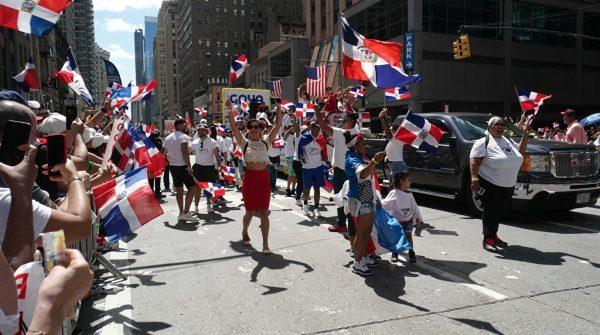
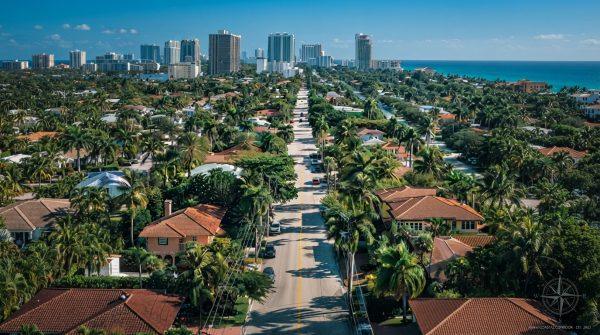
Beyond individual actions, community support is vital. Many Latino-led organizations in New York are already working to spread awareness and provide resources. For example, groups in Miami-Dade have faced similar challenges with rising costs and heat, offering lessons that can be applied here.
Preparing an emergency kit with bottled water, electrolyte packets, and damp towels can also help during heat advisories. And if you're planning to attend large events this summer—like the World Cup or local fan fests—remember that heat stress can affect anyone, especially in crowded spaces.
The key is to stay informed and look out for one another. Heat waves don't have to be deadly if we take the right precautions. By understanding the risks and using available resources, we can ensure a safer summer for everyone in our communities.