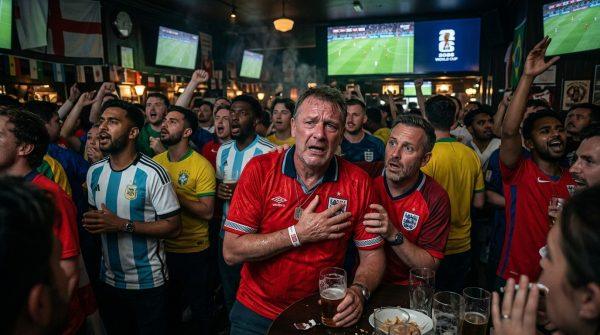
As the 2026 World Cup approaches, cardiologists across the Americas are raising a crucial warning: the thrill of a last-minute goal or a penalty shootout can put your heart at serious risk. While millions will gather to cheer for their teams—from Argentina to Mexico, from the United States to Brazil—the emotional rollercoaster of high-stakes matches can trigger heart attacks, even in otherwise healthy fans.
Research published by the Spanish Society of Cardiology shows that intense emotional stress during soccer games can elevate blood pressure, release stress hormones like adrenaline and cortisol, and increase blood clotting. For fans with underlying heart conditions, this combination can be dangerous. Dr. Gonzalo Navarrete, Chief of Cardiology at Policlínica Gipuzkoa, explains that the body's response to uncertainty—like a tied score in extra time—forces the heart to work harder, potentially destabilizing arterial plaques and leading to blockages.
Dr. Miguel Orejas, a cardiologist at Hospital Universitario Fundación Jiménez Díaz, adds that the surge of catecholamines can cause arterial fissures, which then trigger clot formation. This is why the final minutes of a match, especially during penalty kicks, are particularly risky. The stress doesn't just affect the mind; it physically strains the cardiovascular system.
Who Is Most at Risk?
While anyone can experience a cardiac event during a tense game, those with pre-existing conditions—such as high blood pressure, diabetes, or a history of heart disease—are especially vulnerable. Fans who smoke, drink heavily, or eat large, fatty meals during matches compound the risk. The combination of emotional stress and unhealthy habits can overload the body.
This is not just a theoretical concern. During previous World Cups, hospitals in countries like Brazil and Germany reported spikes in heart attacks on game days. For the 2026 tournament, which will be hosted across the United States, Canada, and Mexico, public health officials are preparing for similar patterns. As recent reports highlight, gaps in public health infrastructure could make it harder to respond to emergencies.
How to Protect Your Heart
Cardiologists recommend several practical steps to enjoy the World Cup safely. First, do not skip your regular medications, even on match days. Second, avoid excessive alcohol and tobacco, and opt for lighter meals instead of heavy, greasy foods. Third, watch games with family or friends who can help you stay calm and recognize warning signs.
Regular moderate exercise—like walking or cycling—can also improve your body's ability to handle stress. And if you feel chest pain, pressure radiating to your left arm or jaw, sudden shortness of breath, or dizziness, stop watching immediately and seek medical help. These symptoms should never be ignored.
As former USMNT star Jozy Altidore recently noted in an interview, athlete health comes first—and the same applies to fans. The passion for soccer is powerful, but your well-being matters more than any score.
For those lucky enough to attend matches in person, remember that stadiums can be overwhelming. Stay hydrated, take breaks, and know where first aid stations are located. Some cities, like New Jersey, are already offering free tickets to healthcare workers, recognizing the importance of community support during the tournament.
Ultimately, the 2026 World Cup should be a celebration of soccer and culture, not a health crisis. By taking simple precautions, you can cheer for your team without putting your heart at risk. As doctors say: your health is the only trophy that truly matters.