New York is facing its most serious measles outbreak in thirty years, and state officials are responding with an unusual move: letting more health professionals give the MMR vaccine. Governor Kathy Hochul signed an executive order on October 5, 2026, declaring a state health emergency that runs through November 4. The order allows paramedics, advanced emergency medical personnel, pharmacists, and midwives to administer the vaccine, a step designed to speed up immunization in communities where the virus is spreading fast.
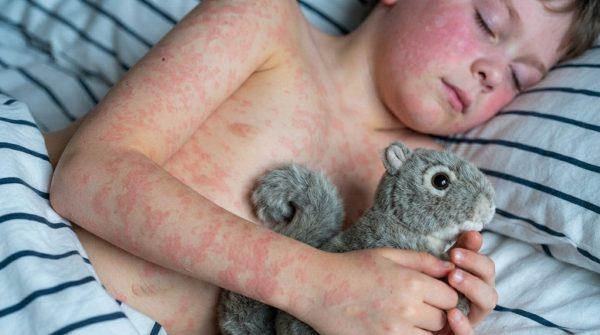
As of early October, New York has confirmed 108 measles cases—7 in New York City and 101 elsewhere in the state. Ninety-two of those infections have emerged since July 15, mostly in rural areas across 18 counties where vaccination coverage has fallen below recommended levels. The state health department has already distributed more than 1,000 extra doses to local health departments, focusing on vulnerable communities.
Why the rules are changing
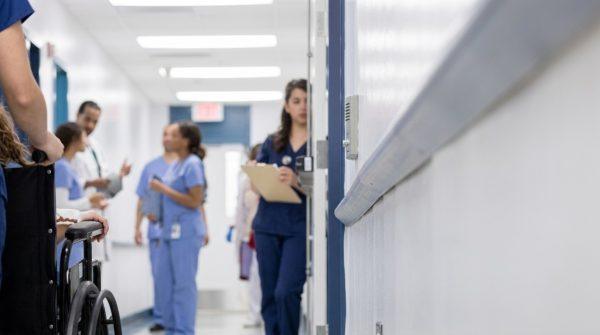
Until now, only physicians could order diagnostic tests for suspected measles cases. Under the new emergency measures, registered nurses can also request those tests, which should help catch infections earlier and reduce delays in treatment. The state is also requiring health providers to report every vaccine dose to the state system within 72 hours, though adults can opt out of that reporting. Vaccination itself still requires informed consent from the patient or their legal guardian.
“No one should get severely ill or die from a vaccine-preventable disease,” Governor Hochul said in announcing the measures. Health Commissioner Dr. James McDonald backed the decision, calling the MMR vaccine “the best available protection” and urging New Yorkers to check their immunization status. The urgency reflects a broader national problem: the United States is on track for its worst measles year since 1991, with nearly 3,900 cases reported nationwide, according to the Centers for Disease Control and Prevention.
The decline in childhood vaccinations is a key driver. Public health experts warn that when immunization rates drop below the 95% threshold needed for herd immunity, diseases once considered eliminated can resurface. Measles was declared eliminated in the U.S. in 2000, but that status is now threatened.
Beyond New York: a regional crisis
New York isn’t alone. Neighboring Pennsylvania has recorded 977 cases and 5 deaths as of October 2, with Lancaster County accounting for about 40% of those infections. Statewide, Pennsylvania has surpassed 1,000 cases. Health officials there are also ramping up vaccination campaigns and community outreach.
The World Health Organization and federal health agencies stress that maintaining vaccination rates above 95% is essential to prevent sustained transmission in both urban and rural areas. For Latino families across the Northeast, many of whom live in communities with close-knit social networks, the outbreak is a reminder to verify that children and adults are up to date on their shots. The MMR vaccine is safe, effective, and widely available—and now, in New York, more accessible than ever.
As the state works to contain the outbreak, officials are also watching other health concerns, such as the recent surge in tick-borne meat allergies in tourist areas, which serves as another reminder of how quickly infectious threats can emerge. For now, the focus is on getting shots into arms and stopping measles from spreading further.
For families in New York City, where cases remain lower, the emergency order still matters. It means a pharmacist or midwife can now vaccinate a child or adult on the spot, without a doctor’s visit. That could make a big difference in neighborhoods where access to primary care is limited.
The state’s move is part of a larger conversation about public health preparedness. As genetics play a key role in health outcomes, so too does community immunity. The measles outbreak is a stark reminder that vaccines protect not just individuals, but entire communities.
With the emergency order in place through November 4, New Yorkers are urged to check their vaccination records and get the MMR shot if needed. Local health departments are offering free or low-cost vaccines, and the expanded list of authorized providers means more opportunities to get protected.
As the outbreak forces vaccination protocols forward, the message from health officials is clear: measles is preventable, and the best defense is a vaccine. For Latino families, many of whom have roots in countries where measles is still a threat, this is a familiar story. But in the U.S., it’s a reminder that vigilance is key—even for diseases we thought were gone.