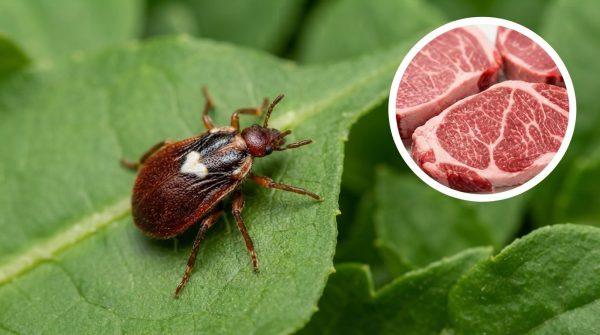
The lone star tick, once confined to the southeastern United States, is now making its presence felt in popular vacation spots, bringing with it a troubling rise in alpha-gal syndrome—a potentially severe allergic reaction to red meat and other mammalian products. On Martha's Vineyard, a beloved summer destination, local health authorities are scrambling to respond to what one hospital president calls the most urgent emerging health crisis on the island.
A surge in cases on Martha's Vineyard
According to the Los Angeles Times, the island's medical center has recorded 692 positive tests for alpha-gal syndrome, with numbers expected to climb through 2026. In 2025 alone, 742 cases were confirmed—a staggering jump from just two in 2020. To cope, the health center opened an outpatient clinic in June dedicated to tick-borne illnesses, which already sees nearly 400 patients. In August, it launched a research study on bites and alpha-gal, securing close to $2 million in initial funding.
The syndrome, first identified in 2007, remains without a cure. Symptoms can appear hours after eating meat, but the triggering bite may have occurred weeks or even months earlier, making diagnosis notoriously difficult. A 2017 study in North Carolina found that over 90% of cases were initially misdiagnosed as food poisoning or other ailments.
How the tick spreads and survives
Female lone star ticks are identifiable by a distinctive white dot on their backs. They have expanded their range from the Southeast to as far north as Maine and Oklahoma, adapting to colder climates by producing an antifreeze-like substance. These resilient arachnids can survive underwater for hours and use specialized sensory organs to detect body heat and carbon dioxide before biting. Their long, barbed mouthparts deliver the carbohydrate molecule galactose alpha-1,3-galactose, which triggers the allergic response.
While the lone star tick is the primary culprit, other species may also carry the allergen. The California Department of Public Health has identified at least 76 specimens of western black-legged deer ticks, which can transmit other tick-borne pathogens. This broader threat underscores the need for vigilance across the country, not just in the Northeast.
CDC data and personal stories
A study released in July by the Centers for Disease Control and Prevention suggests that the actual number of sensitized Americans far exceeds the 2022 estimate of 450,000. In Arkansas, Kentucky, Missouri, Tennessee, and Virginia, one in four adults tested positive for the condition, totaling over 4 million people, though only 15% show symptoms.
Dr. Jeffrey Wilson, an allergist and immunologist at the University of Virginia School of Medicine, has treated nearly 1,000 alpha-gal patients. He describes the condition as "seemingly pulled straight from science fiction." For some, the impact is life-altering. Jean-Marc Dupon, a 61-year-old former French chef, left professional kitchens after two anaphylactic hospitalizations caused by accidental cross-contamination with butter. Brian Waitzel, a JetBlue pilot with no prior health issues, died in September 2024 after a family burger meal—the first confirmed death linked to alpha-gal.
Nancy Slonim Aronie, a writer and artist on Martha's Vineyard, discovered her allergy before open-heart surgery in Boston. She received porcine-derived heparin, which triggered severe hives, despite avoiding valve replacements. Her story highlights the hidden dangers for patients who may not know they are sensitized.
Community response and mitigation
Grassroots organizations are pressing local authorities for action, using digital campaigns and informational posters outside clinics and municipal offices. Claire Seguin, president of the Martha's Vineyard hospital, has declared the syndrome the island's most urgent health crisis. Schools are incorporating meat-free options, and restaurants are adapting menus to accommodate affected residents and visitors.
While the situation is alarming, it is part of a broader pattern of emerging tick-borne diseases. As climate change alters habitats, ticks are moving into new areas, bringing unfamiliar health risks. For travelers and locals alike, awareness is key. Simple precautions—such as wearing long sleeves, using insect repellent, and checking for ticks after outdoor activities—can reduce the risk of bites.
The rise of alpha-gal syndrome is a reminder that our relationship with the natural world is changing. For the Latino community, many of whom enjoy outdoor gatherings and traditional meat-based dishes, this is a health issue that hits close to home. As researchers race to understand the condition and develop treatments, the best defense remains education and prevention.
For more on how climate and health intersect, see our coverage of New York's climate challenges. And for updates on other health threats, check out West Nile virus in Los Angeles.