Across California, families are sitting on a ticking clock: nearly $106 million in summer food assistance remains unspent, and the deadline to use it is fast approaching. The SUN Bucks program, run by the California Department of Social Services, provides $120 per eligible child to help families cover groceries during the summer months when school meals aren't available. But if those funds aren't used within 122 days of the card being activated, they vanish—returned to federal reserves.
This isn't just a bureaucratic footnote. For many Latino families in California, especially those in communities like Los Angeles, Fresno, and the Central Valley, these benefits are a lifeline. The program automatically reached about 3.8 million children across the state, with cards distributed in two waves. Yet, despite the scale, a significant portion of that money is going unused, echoing a pattern from last year when roughly $118 million lapsed and nearly 20% of cards were never even activated.
Who qualifies and how to check your balance
Eligibility for SUN Bucks is tied to income—households at or below 185% of the federal poverty level—and includes children who receive free or reduced-price school meals, or who are enrolled in CalFresh, CalWORKs, or certain Medi-Cal plans. If you think your child might qualify but you haven't received a card, the application window for the 2026 cycle has closed. That means for this summer, the only way to access the benefit is if you already have the card in hand.
If you do have a card, the first step is to check your balance. You can do this through the ebtEDGE mobile app or the official online portal. It's a simple process, but one that many families overlook. Policy researcher David Rubel, whose data was cited by CalMatters, notes that a large share of these funds go unused simply because people don't realize they have them or don't know how to check their balance.
For families who also receive CalFresh, the advice is to spend your SUN Bucks first. These summer allotments are temporary and non-renewable, unlike ongoing CalFresh benefits. So, prioritize using the SUN Bucks balance before it expires, and save your regular benefits for later in the month.
What you can buy—and what you can't
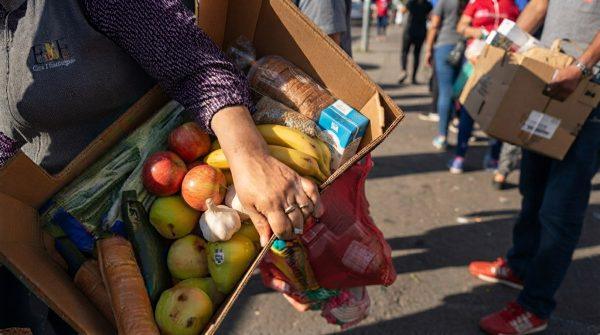
SUN Bucks can be used to purchase a wide range of groceries: fresh fruits and vegetables, whole grains, meat, poultry, fish, bread, cereals, and dairy products. You can use the card at any authorized retailer that accepts EBT. However, the program strictly prohibits using the funds for hot prepared foods, tobacco, or alcohol. So, while you can buy that rotisserie chicken if it's cold, you can't use the card to pay for a hot meal from the deli counter.
It's also important to remember that once the 122-day window closes, the money is gone for good. There's no reissue, no replacement, no credit back. The funds return to the federal Food and Nutrition Service, and you lose that support. That's a tough pill to swallow, especially when so many families are struggling with high grocery prices.
State agencies and local advocacy groups are ramping up awareness campaigns to prevent this from happening. They're urging families to check their balances regularly and to use the funds before they expire. In some communities, especially those with large Latino populations, community organizations are stepping in to help families navigate the system, ensuring that this critical support doesn't go to waste.
This isn't just about money—it's about food security. For many children, SUN Bucks means the difference between a summer of consistent meals and one of uncertainty. As the deadline looms, the message from officials is clear: don't let these benefits slip away. Check your card, plan your shopping, and use the funds while you still can.
For more on how California is addressing food insecurity and other family needs, you might also be interested in California's new solar power law for renters or the state's ban on child marriage. And if you're dealing with other financial pressures, everyday businesses are quietly creating millionaires—a reminder that economic opportunities exist even in tough times.