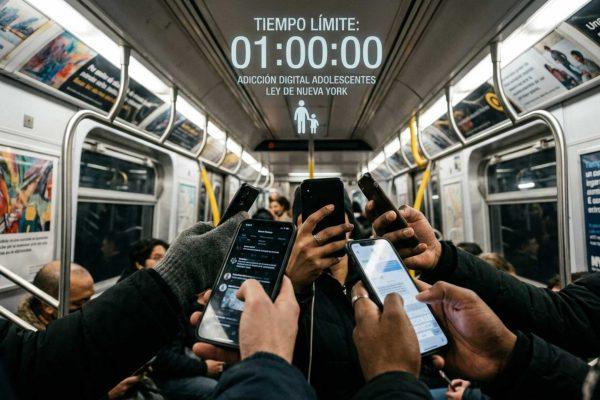
New York City is taking a bold step to address the growing concern over digital addiction among teenagers. The City Council is currently debating a bill that would limit social media use to just 60 minutes per day for anyone under 17. Any extension beyond that would require explicit parental consent. This legislation, one of the strictest in the United States, aims to combat the rising rates of anxiety and depression linked to excessive screen time.
According to the New York City Department of Health and Mental Hygiene, 77% of students in the city already spend more than three hours daily on social media. Health officials have tied this overconsumption to emotional disorders, cyberbullying, and social pressure that harm young people's psychological development. The proposed law would force platforms like Instagram, TikTok, and YouTube to implement real-time monitoring systems that automatically block access once the time limit is reached.
Fines and Corporate Accountability
If passed, the legislation would impose minimum fines of $5,000 for each violation on tech giants such as Meta, TikTok, and Google. These companies would also be required to redesign their algorithms to remove targeted advertising and personalized recommendations for minors. This structural change targets the core of the social media business model, which relies on maximizing user retention. By disabling these mechanisms, New York hopes to protect teenagers from dangerous trends and content that fosters social isolation.
Councilmember Althea Stevens, who introduced the bill, emphasized that the goal is to prioritize user safety over engagement metrics. Families would also gain the right to file civil lawsuits if a platform's failure to comply results in verifiable physical or psychological harm to a minor. This sets a precedent in the regulation of the attention economy, potentially influencing other cities and states.
However, the tech industry and civil liberties groups have raised concerns. The New York Civil Liberties Union warns that enforcing these controls would require age verification for all users, including adults, which could create constitutional barriers and technical difficulties for individuals without official documentation. This debate unfolds alongside pressure from Governor Kathy Hochul, who has already called for a smartphone ban in New York state schools.
This move is part of a global movement to redefine the relationship between childhood and technology. Experts note that the success of this law will depend on creating robust technological mechanisms that balance minor protection with privacy rights. If it overcomes judicial challenges, New York could become a model for other cities looking to mitigate the long-term effects of excessive digital consumption.
For Latino families in New York and beyond, this law could have significant implications. Many Latino youth are heavy users of social media, and the bill's focus on mental health resonates with communities that often face additional pressures related to identity and belonging. As the debate continues, it's worth considering how digital habits affect our children's well-being. For more on managing digital legacies, check out our guide on cómo dejar un heredero digital.