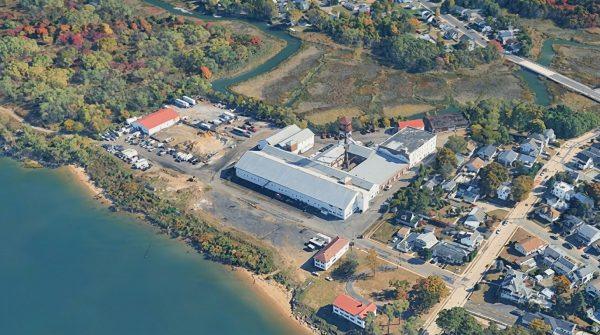
In the small riverside town of Keyport, New Jersey, a quiet alarm has turned into a full-blown public health crisis. Over the past year, residents have watched neighbors, friends, and family members receive cancer diagnoses at a rate that defies explanation. By February 2026, a local resident had compiled a list of nearly 400 cases—lung, prostate, brain, and kidney cancers—many of them clustered on a single street. The numbers are staggering for a community of just over 7,000 people.
The focus of concern is the former Aeromarine Industrial Park, a site with a long and troubling history. For decades, it operated as a dumping ground for hazardous materials, often without proper oversight. In 2010, the New Jersey Department of Health tested the area and found multiple carcinogens, but cleanup efforts stalled. Today, the site remains a source of anxiety, with unpaid fines exceeding $900,000 and contamination levels that independent experts say are far beyond safe limits.
What the tests reveal
Recent analyses by independent specialists, including EPA whistleblower Scott Smith, have found toxin levels in the soil that exceed EPA thresholds by 546%. Thirteen wells on the landfill property contain arsenic, lead, and aluminum above state standards. Even more concerning are elevated concentrations of benzene and vinyl chloride—chemicals directly linked to leukemia and liver damage.
These findings have not gone unnoticed by the scientific community. Toxicologists from New York University warn that carcinogens can travel through soil and groundwater, especially during floods. Residents report that stormwater regularly inundates streets near the landfill, raising fears that contaminated water may be reaching homes and gardens.
“We’re not just talking about a few bad samples,” says María González, a Keyport resident and community organizer. “Our families are getting sick, and we need to know why.”
Community pressure mounts
Local officials have responded by halting any future residential projects along the coastal strip, prioritizing environmental sanitation. But state health authorities remain cautious, stating that no direct pathway of human exposure has been conclusively established. That stance has sparked frustration among residents, who point to the sheer number of cases as evidence enough.
Independent committees are now compiling testimonies and mapping epidemiological data to pressure federal agencies for transparency. The state health department is expected to release a full report in September 2026, which could clarify how people are being exposed.
For many in Keyport, the wait is unbearable. “Every week, we hear about another neighbor,” says González. “We need action, not more studies.”
The situation in Keyport echoes other environmental health battles across the country, from Florida's armadillo-linked leprosy cases to the ongoing fight for clean water in Flint, Michigan. It also resonates with Latino communities who have long faced disproportionate exposure to pollution in places like New Jersey's industrial corridors.
As the investigation continues, the people of Keyport are determined to be heard. They are not asking for sympathy—they are demanding answers and a plan to clean up the mess that has been left behind.