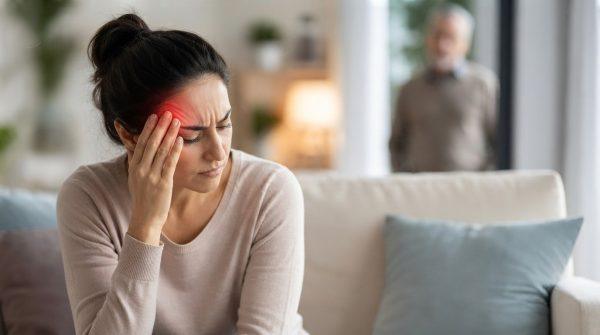
For millions of women across the Americas, a migraine isn't just a headache—it's a debilitating neurological event that can derail a day, a career, or a family gathering. The statistics are stark: women are three times more likely than men to suffer from migraines, a disparity that emerges during puberty and persists through menopause. The Migraine Trust, a UK-based charity, notes that migraines affect about 1 in 7 people worldwide, which translates to over a billion individuals. But why do women bear the brunt? The answer lies in a complex interplay of hormones, genetics, and daily life triggers.
The hormonal rollercoaster
Before puberty, migraines affect boys and girls equally, with about 10% of children experiencing them. But once menstruation begins, the picture changes dramatically. The sharp drop in estrogen just before a period can spark intense pain episodes. Dr. Katy Munro, a neurologist at the UK's National Migraine Centre and host of the Heads Up podcast, explains that women juggling heavy family and professional responsibilities often see their migraines escalate into daily crises. The perimenopause transition—the years leading up to menopause—further disrupts hormone balance, though many women find relief once hormones stabilize after menopause.
For Latinas, who often carry the dual burden of career and caregiving, this hormonal vulnerability can be amplified by cultural expectations. A recent celebration of Latino businesses in Boyle Heights reminds us of the community's resilience, but it also highlights the stress that comes with balancing multiple roles—a known migraine trigger.
Triggers: the everyday culprits
Migraines are a genetic disorder that makes the brain hypersensitive to changes. Minor factors like a drop in blood sugar, a shift in weather, or accumulated stress can push the brain past its threshold. The classic attack unfolds in four stages: a prodromal phase with yawning and fatigue, an aura phase with visual disturbances (affecting about a third of patients), a headache phase lasting 4 to 72 hours with nausea and vomiting, and a postdromal 'migraine hangover' that can linger for two days.
Everyday behaviors can be the straw that breaks the camel's back. Rushing through Friday workloads, enjoying an unexpected glass of wine, or altering sleep schedules can create a snowball effect. Dr. Munro advises patients to become 'migraine detectives,' reviewing the previous 48 hours to identify the exact trigger. This is especially relevant for those living in cities like Austin, where new stressors like autonomous vehicles are changing the urban landscape—and potentially adding to sensory overload.
Managing and preventing attacks
Effective management starts with routine. Maintaining consistent sleep and meal schedules helps stabilize the nervous system. When attacks do occur, prompt medical consultation can lead to prescription treatments like triptans that halt pain progression. Supplements such as magnesium and vitamin B2, taken under medical supervision, have been shown to reduce symptom frequency. For chronic sufferers, advanced therapies like Botox injections or CGRP blockers offer new hope, while complementary practices like yoga and acupuncture can bolster overall wellness.
It's crucial to avoid self-medication with codeine or excessive paracetamol, which can worsen headaches over time. Monitoring atmospheric pressure and staying hydrated are simple but effective environmental safeguards. As research advances, understanding the underlying biological mechanisms is transforming outcomes. For the millions of women who live with migraines, proactive prevention is not just about avoiding pain—it's about reclaiming their lives.
In the Latino community, where family and work often intertwine, sharing knowledge about migraine management can be a form of empowerment. Whether it's a mother in México City or a professional in Los Angeles, recognizing the signs and triggers is the first step toward relief. And as we celebrate Mexico's U-17 women's team rallying past Chile, we're reminded of the strength and determination that women bring to every arena—including the fight against migraines.