In Kenilworth, a quiet suburb of Union County, New Jersey, the hum of construction has replaced the usual calm. A $1.8 billion artificial intelligence data center is rising on the former Merck campus, but not everyone is celebrating. For many in the area—including a growing number of Latino families who have called this part of the Garden State home for generations—the project raises urgent questions about energy use, environmental justice, and who really profits from the tech boom.
A Tech Giant in the Neighborhood
The facility, led by CoreWeave, a fast-growing cloud computing firm, will span 392,600 square feet. It promises to bring high-tech infrastructure to the region, but residents are skeptical. Social media creator Jordan Panno first flagged the lack of public scrutiny, and since then, hundreds of neighbors have packed municipal meetings and signed petitions. Over 1,500 signatures now demand transparency and a deeper assessment of the project's true costs.
One of the biggest sticking points? The state of New Jersey awarded CoreWeave a $250 million tax credit to lure the project. For many in the Latino community—who often face disproportionate environmental burdens in industrial zones—this feels like a giveaway to a corporation while local schools, parks, and infrastructure struggle for funding. As one resident put it during a town hall, “We’re not against progress, but we want to know what’s in it for us.”
The Energy Appetite of AI
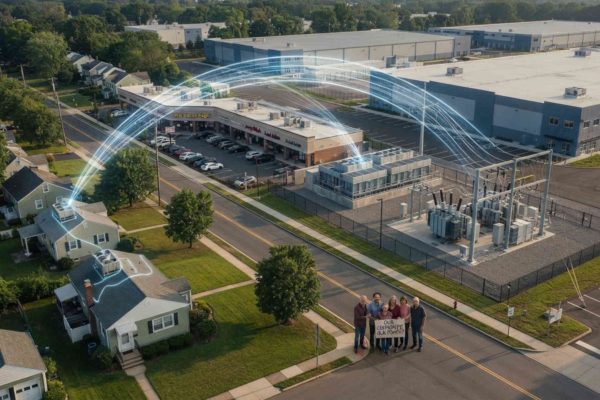
The plant’s projected power demand is staggering: 250 megawatts, enough to supply between 67,000 and 100,000 homes. That’s a heavy load for local grids, and it raises concerns about reliability, especially during heat waves—a familiar worry for anyone who remembers the blackouts that hit nearby cities like Newark and Elizabeth. Water resources are also a concern, as data centers require massive cooling systems.
This isn’t just a technical debate; it’s a cultural one. For Latino families who have built lives in these suburbs, often moving from crowded cities for cleaner air and safer streets, the prospect of a giant energy-sucking facility next door feels like a betrayal. “We came here for a better quality of life,” said María González, a longtime Kenilworth resident and community organizer. “Now we’re worried about pollution and our kids’ health.”
The project is still on track for completion by early 2027, but the opposition shows no signs of slowing. The debate touches on broader questions about who controls the narrative around technological progress—and whether communities like Kenilworth’s Latino enclaves have a real seat at the table.
For context, New Jersey has a rich history of Latino contributions, as highlighted in a recent exhibit tracing 250 years of Latino impact on US history. That legacy makes the current fight over the AI plant all the more poignant: it’s about ensuring that the state’s future includes everyone, not just the tech giants.
Meanwhile, similar debates are playing out across the region. In Manhattan, a shelter plan has sparked class divides, while in California, billionaire tax policies are driving wealth migration to Miami. But here in Kenilworth, the fight is local, personal, and far from over.