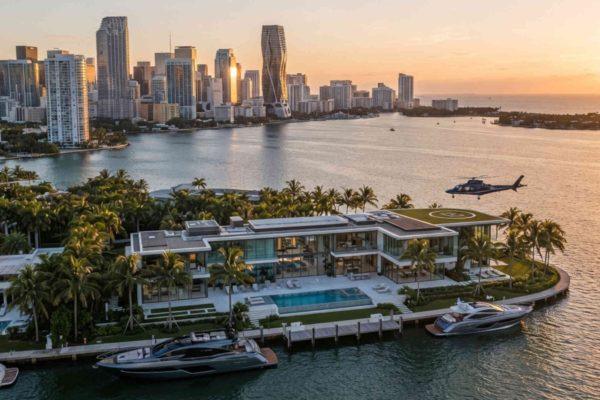
California's latest attempt to tax its wealthiest residents is sending ripples through the Miami luxury real estate market. A proposed 5% annual levy on net wealth, set to appear on the November ballot, has Silicon Valley's elite reconsidering their residency. For South Florida developers and real estate agents, this is a golden opportunity.
The measure would apply retroactively to anyone who lived in California on January 1, 2026, creating a tax bill that could reach into the hundreds of millions for the state's billionaires. In response, many are looking to Florida, where there is no state income tax and a more business-friendly climate. Miami, already a hub for Latin American finance and culture, is the prime destination.
From Silicon Valley to South Beach
Nathan Zeder of The Jills Zeder Group, a high-end real estate firm in Miami, notes that the mere presence of this ballot measure is enough to make the ultra-wealthy pause. "They're asking serious questions about where they want to be based," Zeder says. "The uncertainty alone is driving interest in Miami properties."
This isn't just speculation. Recent purchases by tech titans like Larry Page, Sergey Brin, and Mark Zuckerberg have made headlines. Page bought a sprawling estate in Coconut Grove, while Zuckerberg reportedly acquired a compound in Indian Creek Village, often called the "Billionaire Bunker." These transactions are not isolated—they signal a broader shift in wealth geography.
Miami's appeal goes beyond tax breaks. The city offers a vibrant cultural scene, with strong ties to Latin America and a growing reputation as a global business hub. The upcoming FIFA World Cup in 2026 only adds to the excitement, with the city set to host several matches. This has created a perfect storm for luxury real estate, as Miami's abandoned yachts tell a different story of wealth and neglect, but the market for high-end homes is booming.
Are They Really Moving In?
Despite the headlines, it's not always clear whether these billionaires are making Miami their permanent home. Many maintain global portfolios and may use these properties as second homes or investment assets. The California tax law is designed to target residency, so simply buying a mansion doesn't guarantee a move. However, the trend is undeniable: Miami is becoming a preferred base for the world's wealthiest.
Local developers are already adapting. New luxury condos and waterfront estates are rising across Brickell, Coral Gables, and Key Biscayne. The demand is also spilling over into neighboring areas, boosting the entire South Florida economy. For Latino buyers, this market shift presents both challenges and opportunities. As a housing market reset remains unlikely for Latino buyers, the influx of billionaire cash is driving up prices across the board.
Meanwhile, the debate over California's tax policy continues. Critics argue that the billionaire tax will drive away the very people who fund the state's economy. Supporters say it's a necessary step to fund social programs and address inequality. For now, Miami is reaping the benefits.
As the 2026 World Cup approaches, the city is also dealing with other challenges, like ticket scams draining Latino family savings. But for the ultra-wealthy, Miami remains a safe haven—both financially and culturally. The city's blend of Latin American warmth, American opportunity, and global connectivity makes it an irresistible destination.
Whether this migration is permanent or temporary, one thing is clear: the Miami luxury market is being reshaped by forces far beyond Florida's borders. And for the billionaires fleeing California's taxman, the Magic City is looking more like a home every day.