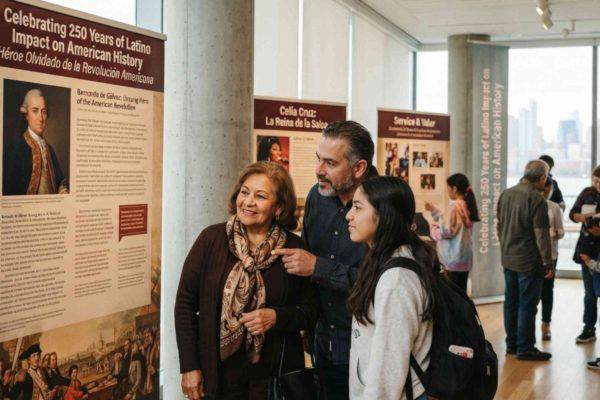
As the United States marks its 250th anniversary, a new exhibit from the Joseph A. Unanue Latino Institute at Seton Hall University in New Jersey is setting the record straight: Latinos have been shaping this country long before 1776. The traveling display, titled “Celebrating 250 Years of Latino Impact on American History,” uses 30 panels to walk visitors through centuries of contributions in politics, sports, the arts, and military service.
“We want young people to understand whose shoulders they stand on,” says Lori Tarke, the institute’s executive director. “When they see figures like Bernardo de Gálvez or Celia Cruz, they find real, tangible inspiration for their own futures.” The exhibit moves beyond the usual names to also highlight local leaders who transformed their communities through steady, often quiet work.
From Diplomats to Divas: A Wide-Ranging Legacy
The panels trace a sweeping arc: from Spanish diplomats who supported American independence to scientists who broke barriers and artists who changed global culture. Celia Cruz, the Queen of Salsa, appears alongside figures like Gálvez, a Spanish general who aided the Revolutionary War effort. The mix underscores that Latino identity has woven itself into every corner of US history.
This narrative matters especially now, as debates about immigration and belonging continue to dominate headlines. The exhibit offers a counterpoint: evidence that Latinos have been foundational, not peripheral. For bicultural Latinos in the US, seeing these stories in a formal setting can feel like a long-overdue acknowledgment.
The institute has made the exhibit available in digital format, so any school, library, or community organization can download and use it as a free educational tool. This open-access approach ensures the message reaches beyond New Jersey, into classrooms and community centers across the country.
“If the Latino economy in the US were an independent country, it would rank as the fourth largest in the world,” Tarke notes. “That weight is inseparable from our long historical trajectory.” The exhibit aims to make that history visible and actionable for the next generation.
For those interested in exploring more about Latino identity and community, check out our piece on how US Latinos maintain pride in country despite economic strain and rights concerns. And for a look at how Latino creatives are shaping global culture, see Bad Bunny in Paris: La Previa Dinner Celebrates Latino Creatives Already Shaping the City.
The exhibit’s timing, coinciding with the nation’s semiquincentennial, is no accident. It challenges the narratives that have long left Latinos out of the founding story. By spotlighting both iconic and local figures, it reminds us that our presence is deep, constant, and determining.
As the panels travel and the digital version spreads, the hope is that young Latinos across the US will see themselves reflected in history—and feel empowered to write the next chapter.