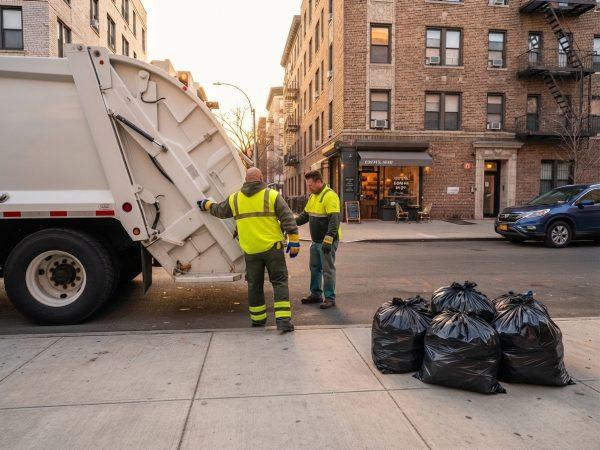
New York City's sanitation workers are on the front lines of an overlooked public health issue: a sharp rise in needle stick injuries. Through August 10, 2026, the Department of Sanitation has recorded 49 puncture wounds among its crews—up from 46 during the same period last year and a dramatic jump from the 18 incidents logged in 2020. For the men and women who empty the city's trash bins, every bag can hide a hazard.
Why the Numbers Are Climbing
The increase tracks with a broader trend: more people are managing chronic conditions like diabetes and weight loss at home with injectable medications. As a result, used syringes and lancets are ending up in regular household trash. Workers often have no way of knowing what's inside a bag until it's too late. "We're not asking for special treatment, just the chance to do our jobs without getting stuck by someone else's medical waste," said one collector who asked to remain anonymous.
Public health experts point to a simple solution: proper disposal. But too often, syringes are tossed loosely into garbage bags or recycling bins. "A single puncture can introduce bacteria deep into tissue, and the anxiety of not knowing what was on that needle is immense," explained a spokesperson for Mount Sinai Health System. The psychological toll is real, too—workers describe the dread of waiting for test results after an exposure.
New Fines and Safety Measures
To curb the problem, the city is getting tougher. Fines for improperly discarding syringes have been raised to $250. Officials are also distributing guides that recommend placing used needles in heavy-duty plastic containers, like empty detergent bottles, and labeling them clearly with the word "sharp." Sealing the container is mandatory, and tossing loose syringes into public bins is a violation of city sanitation rules.
Labor unions are pushing for more than just fines. They want puncture-resistant gloves and other protective gear for all sanitation workers. "We're seeing a shift in how the city views this issue," said a union representative. "But we need to keep the pressure on to ensure every worker has the equipment they need."
For households, the message is simple: never put loose needles in the trash. Use a rigid, labeled container and seal it before disposal. The city's sanitation department has also stepped up public awareness campaigns, emphasizing that safe disposal is a shared responsibility. As one official put it, "A few seconds of care can prevent a lifetime of worry."
This story is part of a broader conversation about worker safety in the city. For more on how infrastructure changes are affecting Latino workers, see this report on AI jobs. And for another example of how urban policies impact communities, check out the e-bike surge in NYC.
As the city adapts, the hope is that these measures will reduce injuries and protect the people who keep New York clean. But the real change will come when every resident understands that a needle in the trash is not just waste—it's a potential hazard for someone else.