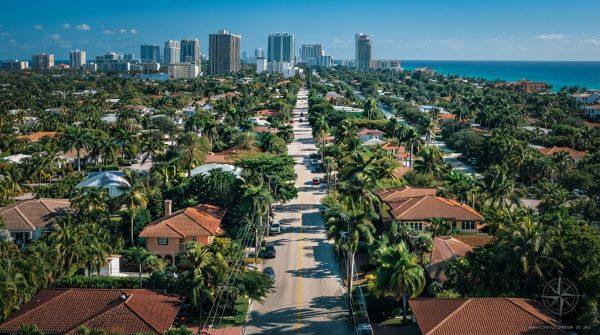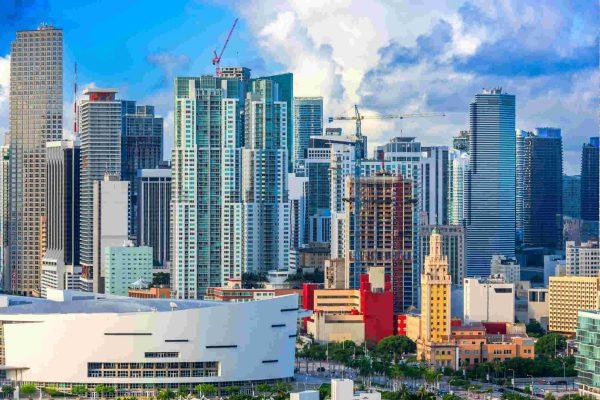
Miami's skyline is a symbol of ambition and luxury, but beneath the glossy facades of its most exclusive towers, the ground is shifting—literally. A new study from the University of Miami has confirmed that at least 35 high-rise buildings across Miami-Dade County are sinking unevenly, a geological phenomenon known as differential settlement. The findings, based on satellite data collected between 2016 and 2023, reveal that many of these structures continue to descend years after construction, exceeding the initial settlement margins engineers had predicted.
What is differential settlement?
Differential settlement occurs when different parts of a building sink at different rates. In Miami, the problem is compounded by the region's porous limestone and sandy soil, which can shift unpredictably under the weight of massive towers. The result? Cracked facades, warped floors, misaligned entryways, and even collapsed piping. For residents and condo associations, the costs can be astronomical, and the legal battles are already underway.
One of the most cited examples is the Millennium Tower in Sunny Isles Beach, where homeowners demanded nearly $4 million in damages after the construction of the neighboring Porsche Design Tower allegedly caused additional settling. This case highlights a growing concern: as Miami's real estate boom continues, the very ground beneath these luxury properties may not be as stable as developers once believed.
Legal and financial fallout
Florida law limits developer liability for building defects to seven years, leaving condo associations to foot the bill for structural repairs long after the original builders have moved on. This has created a climate of uncertainty for buyers and investors, who are now questioning the long-term viability of ultra-luxury towers. Some developers, like those behind the upcoming Bentley tower, are responding by designing foundations that extend more than 60 meters deep to counteract the weight above—a costly but necessary measure.
The issue isn't just about aesthetics or property values. It's about safety. As Miami homebuyers face new hurdles from rising costs, the added burden of potential structural repairs could make homeownership even more challenging. And while the city's skyline continues to grow, experts are calling for a pause on ultra-slender tower approvals until more comprehensive geological tracking is in place.
Monitoring and prevention
Some properties are already taking proactive steps. The Marenas Beach Resort, for example, has installed advanced wireless sensor systems that monitor even the slightest structural movement. These systems, which cost thousands of dollars, provide real-time data that can alert engineers to potential problems before they become catastrophic.
Specialists from Florida International University and former engineering deans are also advocating for stricter building codes and mandatory long-term monitoring for all new high-rises. They argue that the current approach—relying on initial settlement estimates—is no longer sufficient given the scale and weight of modern towers.
For now, the challenge for Miami's leaders is to balance the city's relentless vertical growth with the need for rigorous oversight. As the study's authors note, the dazzling coastal skyline must be built on more than just ambition—it needs a foundation that can be trusted for decades to come.
This story is a reminder that even the most glamorous addresses can hide serious vulnerabilities. For those considering a purchase in one of these towers, it's worth asking not just about the view, but about what's happening below ground. And for the city itself, the question is whether it can adapt its regulations fast enough to keep pace with its own success.