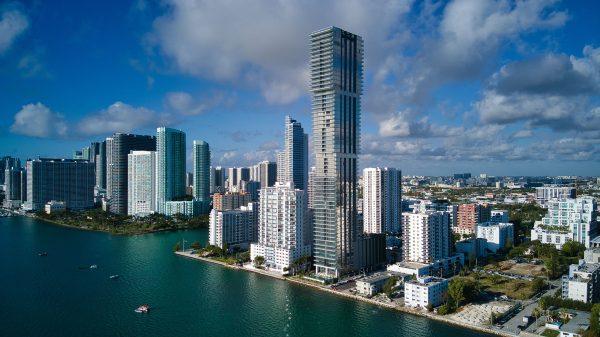
Miami's skyline is changing fast, but not everyone is celebrating. The city has become a magnet for the world's wealthiest, with figures like Mark Zuckerberg and Ken Griffin pouring billions into waterfront properties and relocating their headquarters. Yet beneath the glossy surface of this transformation, a troubling pattern is emerging: young professionals—the very people who should be building Miami's future—are finding it harder to stay.
The influx of billionaire money is reshaping South Florida into a global capital refuge, driven largely by tax advantages over states like California. Zuckerberg, Larry Page, and Sergey Brin have moved parts of their fortunes here, and Griffin's relocation of Citadel's headquarters in 2022 cemented Miami's status as an international financial center. But this real estate boom hasn't translated into a thriving job market for recent graduates.
The Talent Drain: Why Young Grads Are Leaving
According to reports from JLL, Miami is losing the battle for young talent against traditional hubs like New York and San Francisco. The reasons are stark: starting salaries for graduates are often lower than in those cities, while rents remain prohibitively high. A recent graduate might earn $50,000 in Miami but face a median rent of $2,800 for a one-bedroom apartment—a ratio that makes saving or investing nearly impossible.
Professional networks are another hurdle. While Miami has made strides in tech and finance, the local innovation ecosystem lacks the density of established hubs. Young professionals often find fewer mentorship opportunities, less access to venture capital, and a slower career trajectory. As one recruiter put it, the promise of sun and sand fades quickly when you're struggling to pay rent.
This isn't just a problem for individuals—it's a structural challenge for the city. Miami's luxury real estate boom has created a two-tier economy: ultra-wealthy investors and a service class, with little in between. The city risks becoming a playground for the rich rather than a launchpad for the next generation of innovators.
What Miami Can Learn from Other Hubs
Other cities have faced similar challenges. For example, the Miami Grand Prix has brought global attention and investment, but it hasn't automatically created a pipeline for local talent. The key is to balance the cost of living with real labor incentives—like affordable housing initiatives, startup incubators, and partnerships with universities.
Some efforts are underway. Local organizations are pushing for more tech training programs and co-working spaces, but progress is slow. Meanwhile, young Latinos—a key demographic for Miami's future—are increasingly looking elsewhere. A recent survey found that 40% of Latino graduates from the University of Miami plan to leave the state within five years, citing cost of living and job opportunities.
The financial pressures on young Latinos are real, and Miami's current trajectory isn't helping. Without a concerted effort to create a sustainable labor ecosystem, the city's real estate boom could become a cautionary tale.
Miami has always been a city of reinvention. But to thrive as an innovation center, it needs to do more than attract billionaires. It needs to invest in its people—starting with the young professionals who will shape its future.