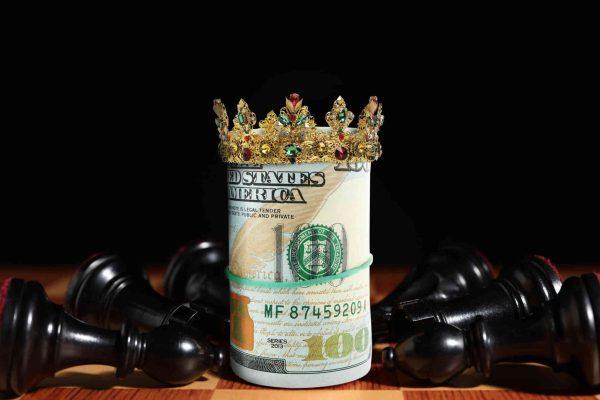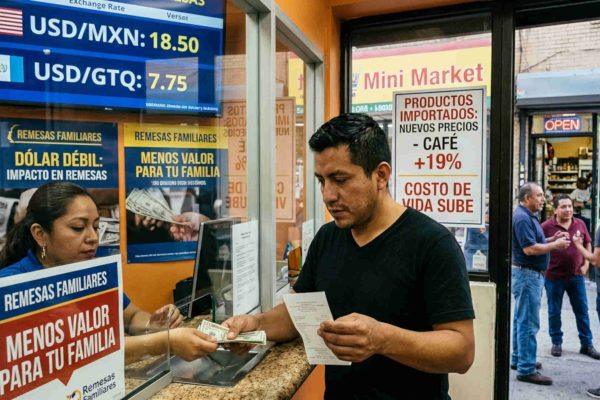
The dollar has lost nearly 10% of its value since the start of the new presidential term, and for Latino communities across the United States, the impact is immediate and personal. This isn't just an abstract economic indicator—it's the difference between paying rent or buying groceries, between sending $200 to a mother in Oaxaca or keeping it for an emergency fund. The depreciation, one of the steepest semi-annual drops in five decades, is reshaping how millions of Latinos manage their money, their businesses, and their futures.
Remittances Take a Hit from Mexico to Central America
Money sent to Mexico through remittances recorded its first decline in 11 years in 2025, falling 4.6% as the dollar weakened against the peso. For families in Michoacán, Jalisco, and Guerrero who rely on these transfers for daily expenses, that drop translates directly into fewer pesos for food, medicine, and school supplies. Meanwhile, remittances to Central America—countries like Guatemala, Honduras, and El Salvador—continued to grow in nominal terms, but their real value in local currency has eroded significantly. A $300 transfer now buys less than it did a year ago, raising the cost of living for households that depend on this lifeline.
Many migrants are responding by increasing the amount they send each month, not out of abundance, but as a savings strategy. The current political climate, with its heightened deportation risks, has created a real fear of being sent back empty-handed. As one migrant explained, they prefer to move their savings to their country of origin immediately to secure their assets. This shift marks a drastic change in the financial stability of migrant households, where the yield of money is no longer what it used to be.
Small Businesses Feel the Squeeze
For Latino entrepreneurs in the U.S., the weak dollar presents a logistical and financial challenge. Unlike large multinationals that can benefit from a cheaper dollar abroad, small business owners who import products from their home countries are seeing costs climb. A bodega in the Bronx that brings in coffee from Colombia or a taquería in Los Angeles that sources chiles from México now pays more for every shipment. The price of coffee, for example, has jumped 19% in the last year, partly because the Brazilian real has appreciated against the dollar, making the main source of the grain more expensive. These costs inevitably pass on to consumers, raising the cost of living for everyone in the community.
This is not just about coffee. Everyday products—from beans and rice to clothing and electronics—are becoming pricier as import costs rise. For small businesses operating on thin margins, the pressure is intense. They must adjust prices upward to survive, even as their customers' purchasing power shrinks. It's a double bind that threatens the vitality of Latino commercial corridors from Miami to Chicago.
A Long-Term Outlook on the Dollar
While the current situation feels alarming, some economists argue it was foreseeable after a 15-year bull run for the U.S. currency. Kenneth Rogoff, a Harvard professor, suggests the dollar could still be overvalued and may face additional drops of up to 15% in the next five years. If those projections hold, the vulnerability of Latino workers will only increase, especially if the labor market slows and the flow of income toward Latin America is abruptly interrupted.
For now, the message is clear: the dollar's decline is not a distant financial story—it's a lived reality for millions of Latinos navigating an increasingly expensive landscape. Whether through remittances, business costs, or everyday purchases, the peso's gain is the dollar's pain, and the community is feeling it in every transaction.