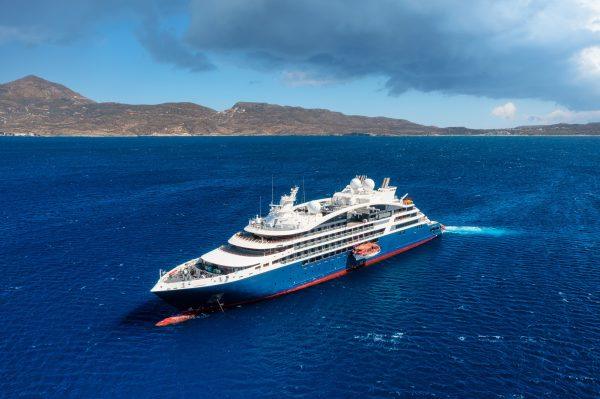
A suspected hantavirus outbreak aboard the cruise ship MV Hondius has turned a luxury voyage from the southern tip of Argentina into a public health crisis. Three passengers have died, and three others are in serious condition, according to the World Health Organization. The ship, flying a Dutch flag, is currently anchored off the coast of Praia, Cape Verde, with 149 people on board, including 17 U.S. citizens.
A journey from Ushuaia to tragedy
The MV Hondius set sail from Ushuaia, Argentina, about seven weeks ago, making stops in Antarctica and the territory of Saint Helena before reaching Cape Verde. The first death occurred on board: a 70-year-old man. Shortly after, his wife collapsed at an airport in South Africa while trying to return to the Netherlands and later died in a hospital there. In total, three passengers have lost their lives, and three others are experiencing severe symptoms.
Cape Verdean authorities have prohibited passengers from disembarking, though local medical teams have boarded the vessel to treat two crew members requiring urgent care. The country’s Health Minister, Maria da Luz Lima, stated firmly that disembarkation will not be permitted in the island nation. The WHO is coordinating with member states for possible medical evacuation of the ill and repatriation of one victim’s body to the Netherlands.
The unusual nature of a shipboard outbreak
Hantavirus is a severe respiratory disease with a mortality rate near 38%. It is typically transmitted through contact with rodent urine, droppings, or saliva. What makes this outbreak particularly puzzling is that it occurred on a ship—a controlled environment that has not visited recent endemic areas, according to medical experts.
Two main hypotheses are being considered. The first is local contamination: the ship may have harbored infected rodents that contaminated the environment with their waste. The second is human transmission: a passenger could have contracted the “Andes virus,” a rare variant present in Argentina and Chile that, on rare occasions, can be transmitted from person to person. This variant is named after the Andes mountain range, which runs through both countries.
The outbreak has raised questions about the future of travel medicine, especially for voyages that begin in remote regions like Patagonia. For those interested in how luxury travel is evolving in the Americas, our piece on how the Miami Grand Prix is reshaping luxury real estate across South Florida offers a different perspective on high-end mobility.
Stranded off the African coast
The 149 passengers and crew remain in a tense wait off the coast of Cape Verde. Among them are 17 Americans whose situation is being closely monitored by international authorities. The WHO is conducting a comprehensive evaluation of the public health risks this outbreak represents.
This incident underscores the vulnerability of even the most controlled environments to diseases that are endemic to specific regions of Latin America. As the investigation continues, the focus remains on preventing further spread and ensuring the safety of those on board.
For more on how Latin American health issues intersect with global travel, you might also read about Virgin Voyages' Brilliant Lady bringing adults-only cruises to Los Angeles, a reminder of how the cruise industry continues to expand despite such challenges.