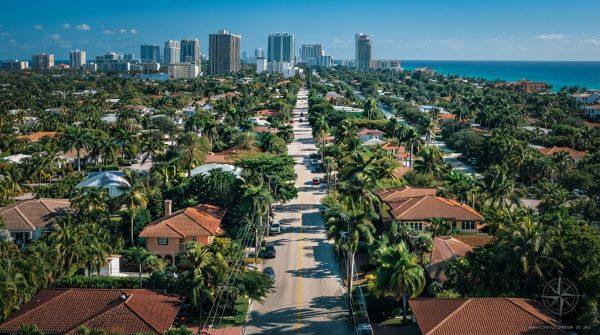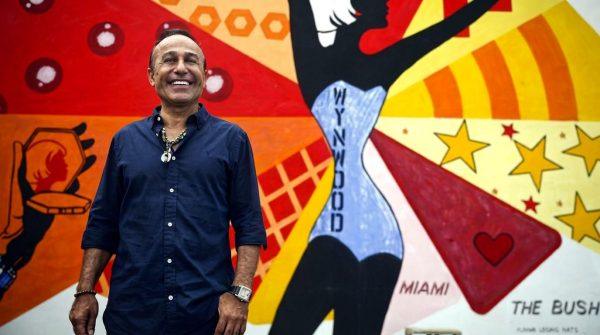
Moishe Mana, the Miami billionaire who turned a $70 million bet on Wynwood into a real estate empire, is shifting his focus. After selling his iconic 30-acre arts complex to hedge fund titan Ken Griffin for $1.1 billion, Mana is now channeling his resources and urban vision into the heart of Downtown Miami, specifically along historic Flagler Street.
Mana, who grew up in poverty in Tel Aviv and started as a dishwasher in New York City, has spent the last decade quietly assembling a portfolio of more than 80 properties in Miami's urban core. His goal: to transform the county's financial heart into a vibrant pedestrian district filled with restaurants, art galleries, tech firms, and corporate headquarters.
From Wynwood to Flagler: a new urban canvas
The recent megalease of his Wynwood property to Citadel will bring a new Carnegie Mellon University campus to the area, freeing up liquid assets that Mana is now deploying to revitalize blighted commercial corridors. His strategy is not just about buying real estate; it's about creating ecosystems that attract institutions and talent.
Mana's downtown holdings give him control over most historic facades on Flagler Street, allowing him to pursue mixed-use developments without external financial pressures. He has also submitted plans to Miami-Dade County to acquire the landmark courthouse for $5 million, with a planned capital outlay exceeding $35 million to turn it into a world-class cultural center.
His entrepreneurial journey is as remarkable as his current ambitions. After immigrating to New York in the 1980s, he built Moishe's Moving Systems into a success, then expanded into storage and later converted warehouses into creative hubs with Milk Studios in the Meatpacking District. He replicated that model in Jersey City with Mana Contemporary and in Chicago's Pilsen neighborhood.
Now, from his headquarters at Mana Common, he oversees more than $600 million directed toward the Flagler Street corridor. Projects include the historic renovation of the Biscayne Building for fashion showrooms and a ground-floor restaurant, the Nikola Tesla Innovation Hub for emerging tech firms, a modern lobby at One Flagler, and the restoration of the Beaux-Arts Shoreland Arcade. He's also updating office towers near the courts with coffee shops, bars, and a private legal club.
Mana's master plan is backed by the Miami Downtown Development Authority and includes partnerships with local businesses like Aura Copeland's art gallery and trendy dining spots such as Over Under, Pho Nam, and Fratesi's Pizza. Public-private partnerships have already completed a multimillion-dollar streetscape repaving project, signaling that the revival is underway.
But not everyone is cheering. Critics, including the Miami Herald, have labeled Mana a land hoarder and speculative investor, pointing to years of undeveloped land and a 2020 clash with the Wynwood BID over temporary permits. He also had to surrender a parcel to the county after failing to build a promised community center.
Yet architects like Kobi Karp defend Mana's approach, calling him a strategic land assembler who unifies fragmented parcels to enable large-scale developments. That patience has attracted institutions like Carnegie Mellon, and Mana continues to expand into working-class neighborhoods like Allapattah.
As Miami's real estate landscape evolves, Mana's bet on Downtown is a bold move that could reshape the city's core. For a man who once washed dishes, his next chapter is anything but modest.
For more on Miami's changing neighborhoods, check out the costly dilemma of Wynwood's new campus and how rents are still high despite a slight dip.