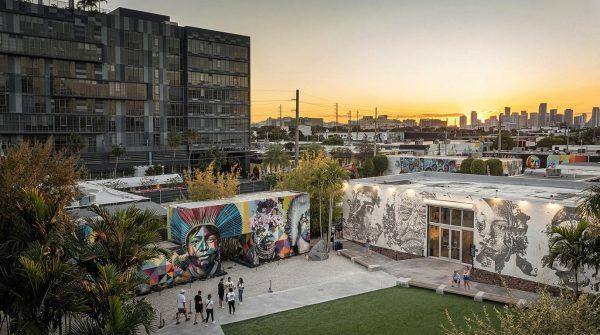
Miami's Wynwood neighborhood, known for its vibrant street art and cultural festivals, is on the brink of a major transformation. A historic $3 billion donation from financier Ken Griffin will bring a Carnegie Mellon University campus to the area, but the project has ignited a heated debate about gentrification and the future of the community.
The donation, the largest personal gift ever to a university, allocates $2 billion for a 35-acre complex on the former Mana Wynwood event space, which Griffin purchased for $1.1 billion. The remaining $1 billion will go to Carnegie Mellon's main campus in Pittsburgh. Construction is set to begin next year, with the first students expected by 2028.
While the campus promises to attract top talent and boost the local economy, it also threatens to accelerate the displacement of longtime residents. Wynwood's average monthly rent has already reached $3,468, compared to the citywide average of $2,761, according to RentCafe. The influx of over 4,000 students, faculty, and staff will only intensify pressure on housing and infrastructure.
"This is a classic case of urban development outpacing community safeguards," says urbanist Ned Murray, who warns that without proactive planning, the neighborhood could become an exclusive enclave. He points to the experiences of Boston University and Columbia University's Manhattan campus, where inadequate planning exacerbated tensions with local communities.
A double-edged sword for Wynwood
Local architect Kobi Karp sees the campus as a milestone for the city. "This is a fundamental opportunity to open a new chapter for Miami, attracting elite talent and hiring young professionals who graduate directly from the institution," he says. But he also acknowledges the need for private transportation solutions, such as shuttle buses, to mitigate traffic congestion.
Real estate developers are already moving forward with complementary projects. Matthew Rieger's Rainbow Village on Northwest 22nd Street will offer a mix of market-rate and workforce housing units. However, land use attorney Steve Wernick, who helped overhaul the neighborhood's zoning a decade ago, expects a surge in development requests, which could further strain the area's infrastructure.
The lack of direct access to Metrorail, Metromover, or Brightline is a major concern. "We're about to add thousands of people to a neighborhood that's already underserved by public transit," says Murray. "We need to learn from past mistakes before it's too late."
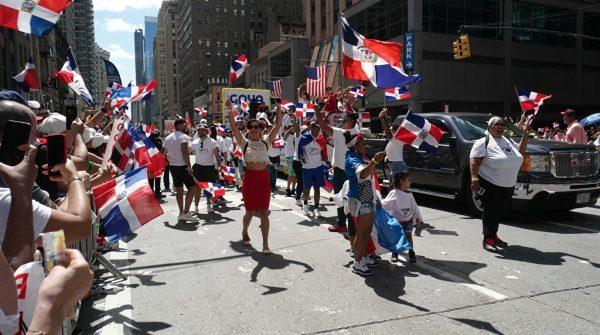
Community organizations are intensifying dialogue with private investors to protect independent cultural spaces and festivals that have given Wynwood its international fame. Social media reactions reflect deep concerns about identity loss and rising traffic. Civic leaders are exploring innovative financial mechanisms to ensure balanced growth.
Moishe Mana, the billionaire who sold the complex, insists the neighborhood is in good hands under Griffin's vision. But for many working-class families, the fear of displacement is real. "We're not against progress," says a local resident who asked to remain anonymous. "We just want to be part of it."
The challenge is to integrate the campus harmoniously with the community's identity. As Miami rents remain among the priciest in the US, the need for inclusive housing policies has never been more urgent. The city's response will determine whether Wynwood becomes a model for equitable urban development or a cautionary tale.
For now, the future of Wynwood hangs in the balance. The campus could bring unprecedented opportunities, but only if the community's needs are placed at the center of the plan. As Karp puts it, "We have a chance to do this right. Let's not waste it."