For renters in Miami, the latest market data brings a sliver of relief, but not enough to change the city's reputation as one of the country's most expensive places to live. According to the newest report from online real estate platform Zumper, the median asking rent for a one-bedroom apartment in Miami now stands at $2,500—a modest 2% drop from August and a 1.6% decrease compared to the same time last year.
Two-bedroom units saw a similar trend, with median rents falling 3% month-over-month to $3,230. That makes Miami one of the few top-tier markets where both unit types are showing negative annual growth, a sign that the local market is cooling slightly after years of relentless increases.
A premium that persists
Still, these reductions are relative. The national median asking rent for a one-bedroom is $1,518, and for a two-bedroom it's $1,903. That means Miami renters are paying roughly 65% more than the typical American for a one-bedroom, and about 70% more for a two-bedroom. The gap underscores just how steep the cost of living remains in South Florida, even as prices inch downward.
Nearby Fort Lauderdale also appears in the top 20, landing at 19th place with a median one-bedroom rent of $1,850—a 6.1% annual drop. For many in the region, the question isn't whether rents are falling, but whether they're falling fast enough to make a difference.
For those considering a move, the broader housing landscape offers some context. New York and San Francisco still lead the nation with one-bedroom medians of $4,580 and $4,400, respectively. But Miami's sixth-place ranking puts it ahead of cities like Los Angeles and Washington, D.C., cementing its status as a high-cost hub.
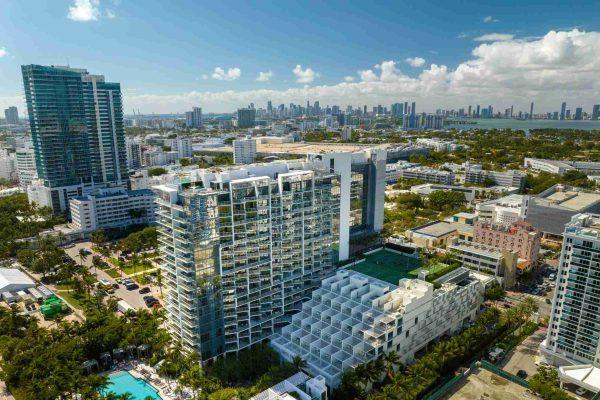
The Zumper report, which analyzed over one million listings across the country, also highlighted a growing divide in the national rental market. In cities where apartment construction has boomed, landlords are offering concessions and cutting prices to attract tenants. In areas with limited new supply, rents continue to climb. Miami, with its recent wave of luxury towers and new developments, appears to be in the former camp—at least for now.
Local real estate experts note that the dip in rents could be tied to an increase in inventory, as new buildings come online and compete for renters. But they caution that the city's affordability crisis is far from over. For many working-class families, especially those in the Latino community who have long called neighborhoods like Little Havana and Hialeah home, even a $50 monthly reduction doesn't offset the broader cost of living pressures.
As Miami continues to evolve, the rental market remains a key indicator of who can afford to live here. While the latest numbers offer a glimmer of hope, they also serve as a reminder that the city's housing challenges are deeply entrenched. For now, renters will take the small wins—but the fight for affordable housing is far from won.