For many across the United States, the last Monday in May signals the unofficial start of summer—a long weekend of road trips, backyard barbecues, and retail sales. But beneath the beach towels and discount ads lies a history that is far more complex, and deeply tied to the nation’s most painful conflict: the Civil War.
Memorial Day, originally known as Decoration Day, was born in the aftermath of a war that tore the country apart between 1861 and 1865, claiming over 600,000 lives. The tradition of placing flowers on soldiers’ graves began as a grassroots act of healing. While towns like Waterloo, New York, and Boalsburg, Pennsylvania, claim to be the birthplace of the holiday, historian David Blight of Yale University points to a pivotal event on May 1, 1865, in Charleston, South Carolina. There, a crowd of nearly 10,000 people—mostly newly freed African Americans—gathered to give proper burials to Union soldiers who had died in a Confederate prison camp. It was an act of justice, dignity, and civic recognition, rooted in the very communities that had fought for their own liberation.
That foundational moment is a reminder that Memorial Day’s origins are not just about military sacrifice, but about the struggle for freedom and equality—a story that resonates with Latino communities who understand the weight of civil rights movements across the Americas.
From Solemnity to Sales: The Transformation of a Holiday
Even in the 19th century, there were concerns that the day was losing its sacred character. In 1869, some publications warned that banquets and political speeches were overshadowing the act of remembrance. By 1871, abolitionist leader Frederick Douglass stood at Arlington National Cemetery and voiced a different fear: that national reconciliation might erase the moral cause of the war—the fight against slavery.
As the 20th century progressed, the introduction of Veterans Day in 1919 (originally Armistice Day) shifted the focus of honoring living veterans to a separate date, leaving Memorial Day increasingly associated with the fallen. But the real turning point came in 1971, when Congress moved the observance from May 30 to the last Monday of May, creating a three-day weekend. That decision effectively dismantled the last barriers between remembrance and leisure.
Today, the holiday is a paradox. On one hand, it remains a day of solemn tributes, with ceremonies at cemeteries and the National Moment of Remembrance observed at 3:00 p.m. local time. On the other, it has become a commercial juggernaut—a weekend for mass travel to beaches and resorts, community parades, and aggressive sales on everything from mattresses to lawnmowers. The tension between these two faces of Memorial Day is now a permanent feature of American culture.
For Latino families across the U.S., the holiday often carries additional layers of meaning. Many have relatives who served in the U.S. military, while others trace their roots to countries where similar days of remembrance—like Día de los Muertos in México or Día del Veterano in various Latin American nations—blend mourning with celebration. The dual nature of Memorial Day may feel familiar to those who come from cultures where death and life are not seen as opposites, but as part of a continuous cycle.
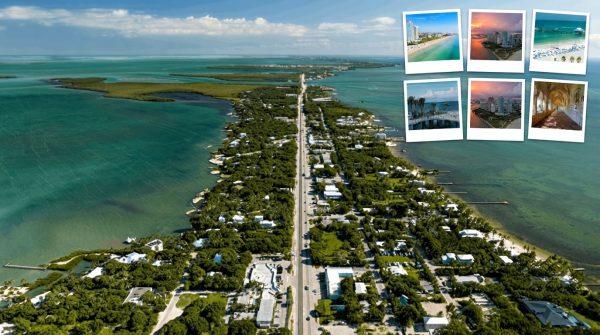
As summer 2026 begins, the holiday continues to evolve. Whether you’re heading to the coast—though you might want to check the latest beach warnings—or attending a local parade, the day offers a chance to reflect on the sacrifices that shaped the nation. It also serves as a reminder that history is never static; it is constantly being reinterpreted by each generation.
In the end, Memorial Day’s enduring relevance lies in its ability to hold two truths at once: a solemn look back at the scars of war, and an open embrace of the warmth and rest that summer promises. For a bicultural audience, that duality is not a contradiction—it’s a way of life.