For the second year in a row, Santa Fe, New Mexico, has been named the best city in the United States by Travel + Leisure’s World’s Best Awards, based on votes from more than 200,000 readers. The capital city of New Mexico has managed to hold onto the top spot after unseating Charleston, South Carolina, which had dominated the rankings for over a decade.
What makes Santa Fe stand out? It’s a combination of factors that resonate deeply with travelers seeking something beyond the ordinary. The city enjoys more than 300 sunny days a year, a climate that invites year-round exploration. But it’s the cultural and culinary richness that truly sets it apart. The Georgia O’Keeffe Museum, dedicated to the artist who found endless inspiration in the New Mexico landscape, remains a major draw. Visitors also rave about the city’s food scene, which blends Indigenous, Spanish, and Mexican influences into something uniquely Santa Fean.
A Cultural Hub in the High Desert
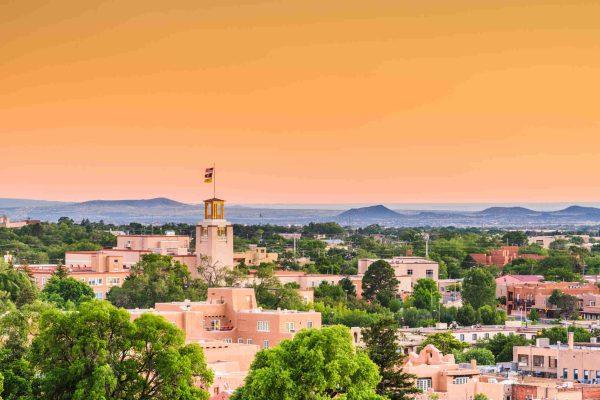
Santa Fe isn’t just a pretty place with good weather. It’s a living museum of art, architecture, and tradition. Walking through its streets, you’ll find adobe buildings that have stood for centuries, galleries showcasing contemporary Native American and Latino artists, and a plaza that has been the heart of the city since Spanish colonial times. The city’s identity is deeply tied to its multicultural roots, where the legacies of Pueblo peoples, Spanish settlers, and Anglo newcomers converge.
This layered history is part of what makes Santa Fe feel different from other US cities. It’s not trying to be a global metropolis; it’s comfortable in its own skin. That authenticity is exactly what Travel + Leisure readers seem to value. As one frequent traveler put it, “Every visit to Santa Fe surpasses the last. There’s always something new to discover among the foothills of the Sangre de Cristo mountains.”
The city’s culinary scene is another major draw. From green chile stew to blue corn enchiladas, the local cuisine is a reflection of the region’s agricultural and cultural history. Restaurants like The Shed and Café Pasqual’s have become institutions, while newer spots continue to push the boundaries of Southwestern cooking.
Competition Heats Up
While Santa Fe holds the crown, the competition is fierce. Charleston climbed back to second place this year, followed by Savannah, New Orleans, and Chicago. These cities each offer their own distinct flavors—Charleston with its historic charm and Lowcountry cuisine, New Orleans with its jazz and Creole traditions, and Chicago with its architectural marvels and deep-dish pizza.
But Santa Fe’s victory is a testament to the growing appeal of smaller, culturally rich destinations. It’s a trend that mirrors what’s happening globally, where places like San Miguel de Allende in México are leading international interest. Travelers are increasingly seeking out authentic experiences over cookie-cutter luxury. They want to connect with a place’s history, its people, and its food.
For Latinos in the US, Santa Fe holds a special resonance. It’s a city where Spanish is still spoken in the streets, where the legacy of the Spanish Empire is visible in the architecture, and where Indigenous and Latino cultures are not just preserved but celebrated. It’s a reminder that the American Southwest has always been a crossroads of cultures, long before it became part of the United States.
As the 2026 World Cup approaches, with matches set to take place across North America, cities like Santa Fe may see even more visitors looking for authentic cultural experiences. But for now, the city can bask in the recognition that it’s not just a great place to visit—it’s the best place to live, according to those who know it best.