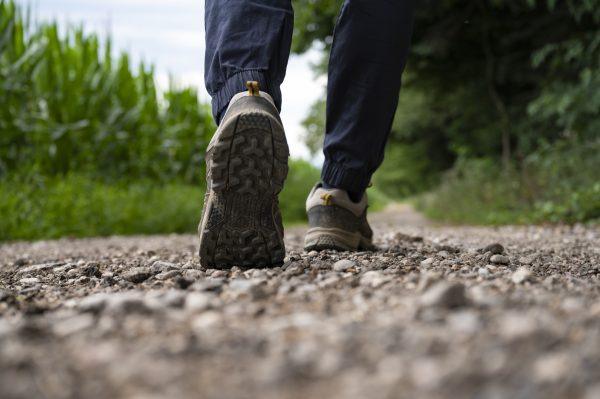
Losing weight is only half the battle; keeping it off is where many of us stumble. Now, researchers have pinpointed a concrete daily step goal that can help you avoid the dreaded rebound effect. According to findings presented at the European Congress on Obesity, walking an average of 8,500 steps a day is the sweet spot for maintaining your new weight.
This isn't just about the number on the scale. The study, led by Professor Marwan El Ghoch from the University of Modena, analyzed data from over 3,700 participants. Those who consistently walked around 8,500 steps during and after their weight loss program successfully stabilized their weight. In contrast, those who didn't keep up their daily movement saw a significant return of body fat.
Why 8,500 steps work
When you finish a restrictive diet and transition to maintenance eating, your metabolism becomes vulnerable. Weight loss triggers hormonal changes that increase appetite and reduce resting energy expenditure. Walking that specific distance acts as a metabolic counterweight, helping you burn extra calories and regulate glucose control without the stress of high-impact exercise.
Participants who succeeded in the study maintained an average of 8,241 steps during the follow-up phase. The secret isn't heroic efforts but sustainable regularity—making walking your body's new normal.
How to integrate walking into your day
For many, the idea of adding thousands of steps can feel overwhelming if you think of it as a single gym session. The American Diabetes Association suggests strategic accumulation throughout the day. Here are some practical tips:
- Micro-walks: Three 15-minute sessions after breakfast, lunch, and dinner can easily add 4,000 steps.
- Commute changes: Park farther from the office or get off public transport one stop early.
- Social environment: Walk with friends or pets to make it feel less like exercise and more like a mental break.
This approach is especially relevant for our Latino communities, where family and social connections are central. Walking with a compañero or taking a stroll after a big meal can become a cherished ritual, not a chore. For more on how daily habits shape identity, check out our piece on Spanglish in Daily Life.
Benefits beyond the scale
Adopting the 8,500-step goal doesn't just protect your weight loss; it has systemic health benefits. Regular walking lowers blood pressure, improves cholesterol profiles (raising HDL and lowering LDL), and enhances insulin sensitivity. It also boosts mental agility and reduces anxiety symptoms.
These steps are more than a number on a smartwatch—they're a tool of preventive medicine. They ensure the effort you put into your kitchen translates into a permanent better quality of life. For those navigating the challenges of maintaining health while balancing family and work, this simple habit can be a game-changer. And if you're looking for more inspiration on staying active, read about Lux Pascal's journey in the entertainment world.
Ultimately, the 8,500-step target is accessible and sustainable. It doesn't require a gym membership or expensive gear—just a pair of comfortable shoes and a commitment to moving more. As the study shows, consistency beats intensity when it comes to long-term weight management. So, whether you're walking through the streets of Bogotá, the plazas of México City, or the neighborhoods of Los Angeles, every step counts.